Daily Sabah logo

Politics
Diplomacy Legislation War On Terror EU Affairs Elections News Analysis
TÜRKİYE
Istanbul Education Investigations Minorities Expat Corner Diaspora
World
Mid-East Europe Americas Asia Pacific Africa Syrian Crisis Islamophobia
Business
Automotive Economy Energy Finance Tourism Tech Defense Transportation News Analysis
Lifestyle
Health Environment Travel Food Fashion Science Religion History Feature Expat Corner
Arts
Cinema Music Events Portrait Reviews Performing Arts
Sports
Football Basketball Motorsports Tennis
Opinion
Columns Op-Ed Reader's Corner Editorial
PHOTO GALLERY
JOBS ABOUT US RSS PRIVACY CONTACT US
© Turkuvaz Haberleşme ve Yayıncılık 2026

Daily Sabah - Latest & Breaking News from Turkey | Istanbul

  • Politics
    • Diplomacy
    • Legislation
    • War On Terror
    • EU Affairs
    • Elections
    • News Analysis
  • TÜRKİYE
    • Istanbul
    • Education
    • Investigations
    • Minorities
    • Expat Corner
    • Diaspora
  • World
    • Mid-East
    • Europe
    • Americas
    • Asia Pacific
    • Africa
    • Syrian Crisis
    • Islamophobia
  • Business
    • Automotive
    • Economy
    • Energy
    • Finance
    • Tourism
    • Tech
    • Defense
    • Transportation
    • News Analysis
  • Lifestyle
    • Health
    • Environment
    • Travel
    • Food
    • Fashion
    • Science
    • Religion
    • History
    • Feature
    • Expat Corner
  • Arts
    • Cinema
    • Music
    • Events
    • Portrait
    • Reviews
    • Performing Arts
  • Sports
    • Football
    • Basketball
    • Motorsports
    • Tennis
  • Gallery
  • Opinion
    • Columns
    • Op-Ed
    • Reader's Corner
    • Editorial
  • TV
  • TÜRKİYE
  • Istanbul
  • Education
  • Investigations
  • Minorities
  • Expat Corner
  • Diaspora

Turkish expert suggests 'Sponge City' plan for resilient cities

by Daily Sabah with AA

ISTANBUL Aug 14, 2023 - 11:13 am GMT+3
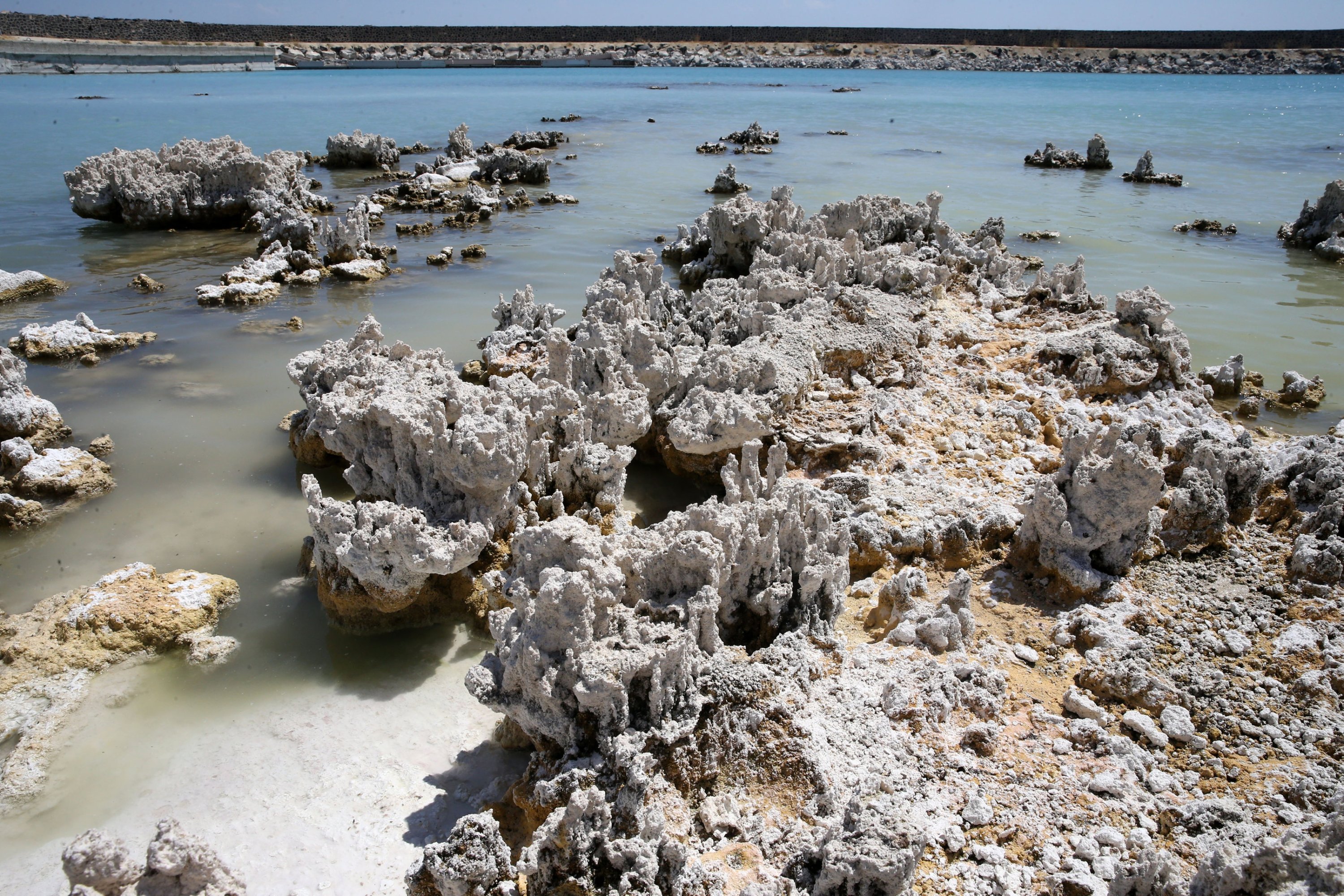
Climate change and lack of precipitation caused drought in Lake Arin, Bitlis, Türkiye, Aug. 14, 2023. (AA Photo)
by Daily Sabah with AA Aug 14, 2023 11:13 am

Plants serve as a vital link between the earth and the sky, enhancing the likelihood of rainfall. With thoughtful urban planning, a climate-resilient future can be championed

Expert emphasized the urgent need for cities to embrace nature-based solutions in the battle against climate change. Professor Hayriye Eşbah Tunçay, head of the Landscape Architecture Department at Istanbul Technical University (ITÜ) highlights the innovative "sponge city" model as a prime example of such solutions, providing a holistic approach to mitigate the environmental challenges posed by urbanization and population growth.

The rapid pace of urban development, spurred by population surges, has led to accelerated construction. However, this trend has the potential to generate irreversible environmental crises. In this context, vulnerabilities such as floods and landslides in climate-sensitive urban areas, coupled with the consequences of droughts including water scarcity, agricultural decline, famine, and significant loss of life and biodiversity, come to the forefront.

The "sponge city" concept, introduced by Chinese landscape architect Kongjian Yu in 2013, offers a promising strategy. This approach centers on the idea of harnessing rainwater through urban green spaces, while simultaneously storing excess water in reservoirs, ponds or designated storage facilities for future use during drought scenarios.

Speaking to the Anadolu Agency (AA), Tunçay told that transforming a city into a sponge city necessitates a diverse array of natural components. She pointed out that the prevailing phenomenon of rapid urbanization often results in obstacles such as buildings, roads and walls that obstruct the natural flow of water to larger drainage systems, hampering their effectiveness.

For the sponge city model to gain widespread adoption, Tunçay asserts that the reliance on traditional gray infrastructure must diminish. She notes that modern storage solutions, such as biological ditches, rain gardens, water tanks and barrels, have replaced conventional methods like cisterns, marking the evolution toward integrated systems that effectively manage water resources. She further emphasized that a single solution is inadequate to address the complex urban challenges – an amalgamation of approaches is essential.

Tunçay also told the requirement for an intricate water management system. She envisions a scenario where some of the water collected in parks circulates through natural processes, recharging aquifers, while the remainder caters to the city's needs. In areas with limited green space, she suggests alternate water accumulation sites such as cisterns or ponds. Additionally, the removal of barriers such as medians or pavement heights is crucial for the seamless integration of green spaces with water bodies.

Highlighting the two primary storage systems, Tunçay indicates that the sponge city model supports both open systems like ponds and closed ones like cisterns. While open systems foster recreational areas for people and provide habitats for various species, they also play a crucial role in purifying water by absorbing pollutants. However, these systems are vulnerable to evaporation, particularly during summer. Countermeasures include surface coverage systems. Cisterns and warehouses, on the other hand, encounter capacity issues, warranting meticulous project evaluation.

Tunçay emphasizes the cooling potential of adequately watered soil and plant life. She explains that water-saturated soil can contribute to temperature reductions of up to 3-4 degrees Celsius (5.4-7.2 degrees Fahrenheit), providing invaluable climate comfort and resilience against drought and heat.

"The sponge city model embodies a nature-based solution. To combat climate change effectively, cities must seamlessly integrate with these natural solutions. Plants serve as a vital link between the earth and the sky, enhancing the likelihood of rainfall. With thoughtful urban planning, we can rejuvenate reservoirs, bolster dams and champion a greener, climate-resilient future," she added.


  • shortlink copied
  • Last Update: Aug 14, 2023 2:17 pm
    KEYWORDS
    climate change global warming urban transformation natural disasters
    The Daily Sabah Newsletter
    Keep up to date with what’s happening in Turkey, it’s region and the world.
    You can unsubscribe at any time. By signing up you are agreeing to our Terms of Use and Privacy Policy. This site is protected by reCAPTCHA and the Google Privacy Policy and Terms of Service apply.
    No Image
    Japan hit by 7.4 magnitude quake, leaving thousands without power
    PHOTOGALLERY
    • POLITICS
    • Diplomacy
    • Legislation
    • War On Terror
    • EU Affairs
    • News Analysis
    • TÜRKİYE
    • Istanbul
    • Education
    • Investigations
    • Minorities
    • Diaspora
    • World
    • Mid-East
    • Europe
    • Americas
    • Asia Pacific
    • Africa
    • Syrian Crisis
    • İslamophobia
    • Business
    • Automotive
    • Economy
    • Energy
    • Finance
    • Tourism
    • Tech
    • Defense
    • Transportation
    • News Analysis
    • Lifestyle
    • Health
    • Environment
    • Travel
    • Food
    • Fashion
    • Science
    • Religion
    • History
    • Feature
    • Expat Corner
    • Arts
    • Cinema
    • Music
    • Events
    • Portrait
    • Performing Arts
    • Reviews
    • Sports
    • Football
    • Basketball
    • Motorsports
    • Tennis
    • Opinion
    • Columns
    • Op-Ed
    • Reader's Corner
    • Editorial
    • Photo gallery
    • DS TV
    • Jobs
    • privacy
    • about us
    • contact us
    • RSS
    © Turkuvaz Haberleşme ve Yayıncılık 2021