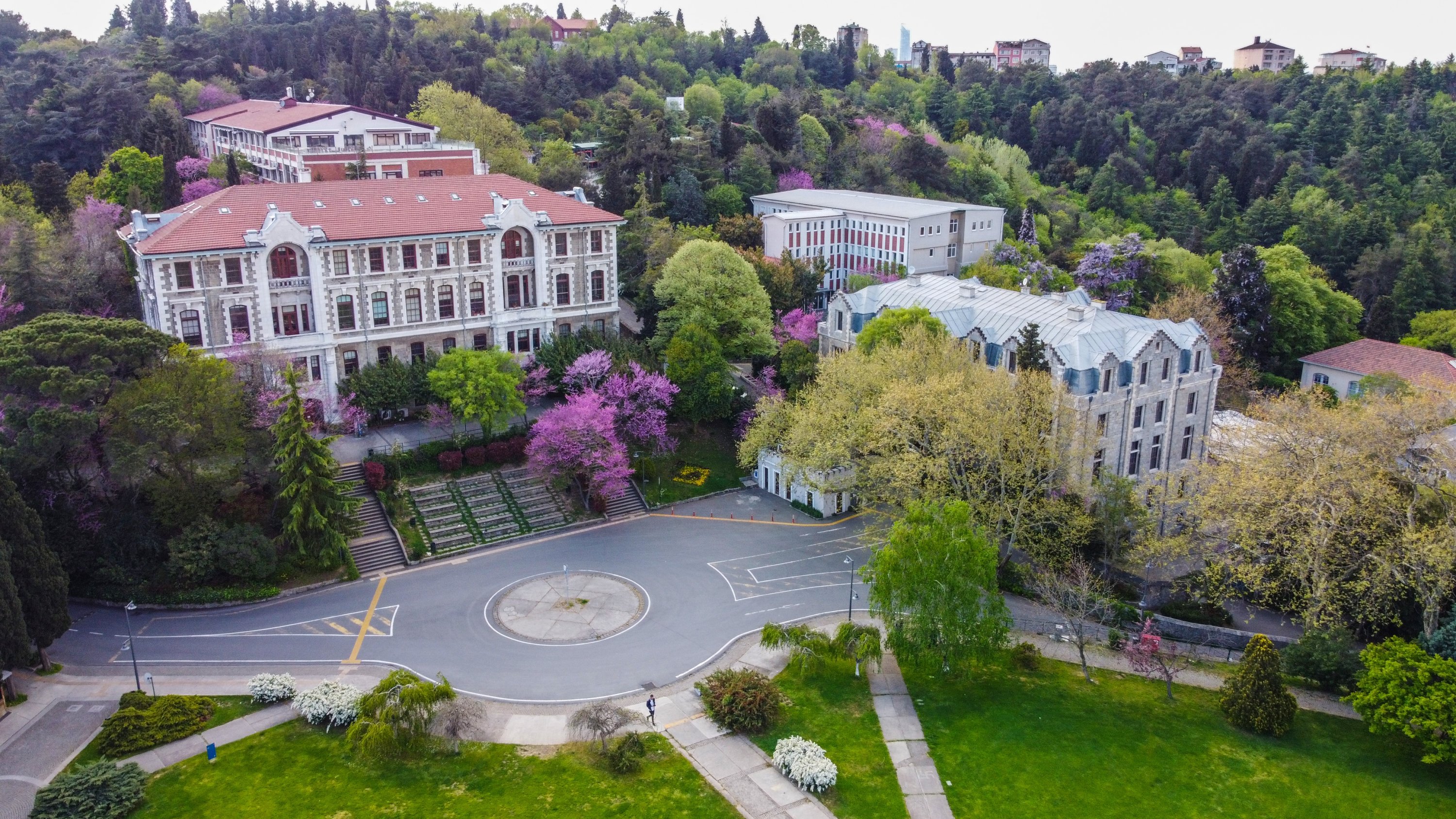
The 11th International Conference on Behavioral Addictions (ICBA) is bringing together leading researchers and experts from around the world from Aug. 24 to 26 at Boğaziçi University in Istanbul, in collaboration with the Turkish Green Crescent Society (Yeşilay).
The conference is bringing together more than 400 participants, including researchers, academics, psychologists and health and social care professionals from around the world, with experts from institutions including Yale University, the University of Chicago, the University of Geneva and the University of Lausanne.
The program covers a broad range of topics, including gambling, gaming, problematic internet and social media use, compulsive shopping, binge-watching and eating-related disorders, as well as psychological, clinical and neuroscientific approaches to understanding addictive behaviors.
Previously held in countries including Hungary, Switzerland, Israel, Germany, Japan, the United Kingdom, South Korea, Gibraltar and France, the conference is being hosted in Istanbul for its 11th edition in collaboration with Yeşilay.
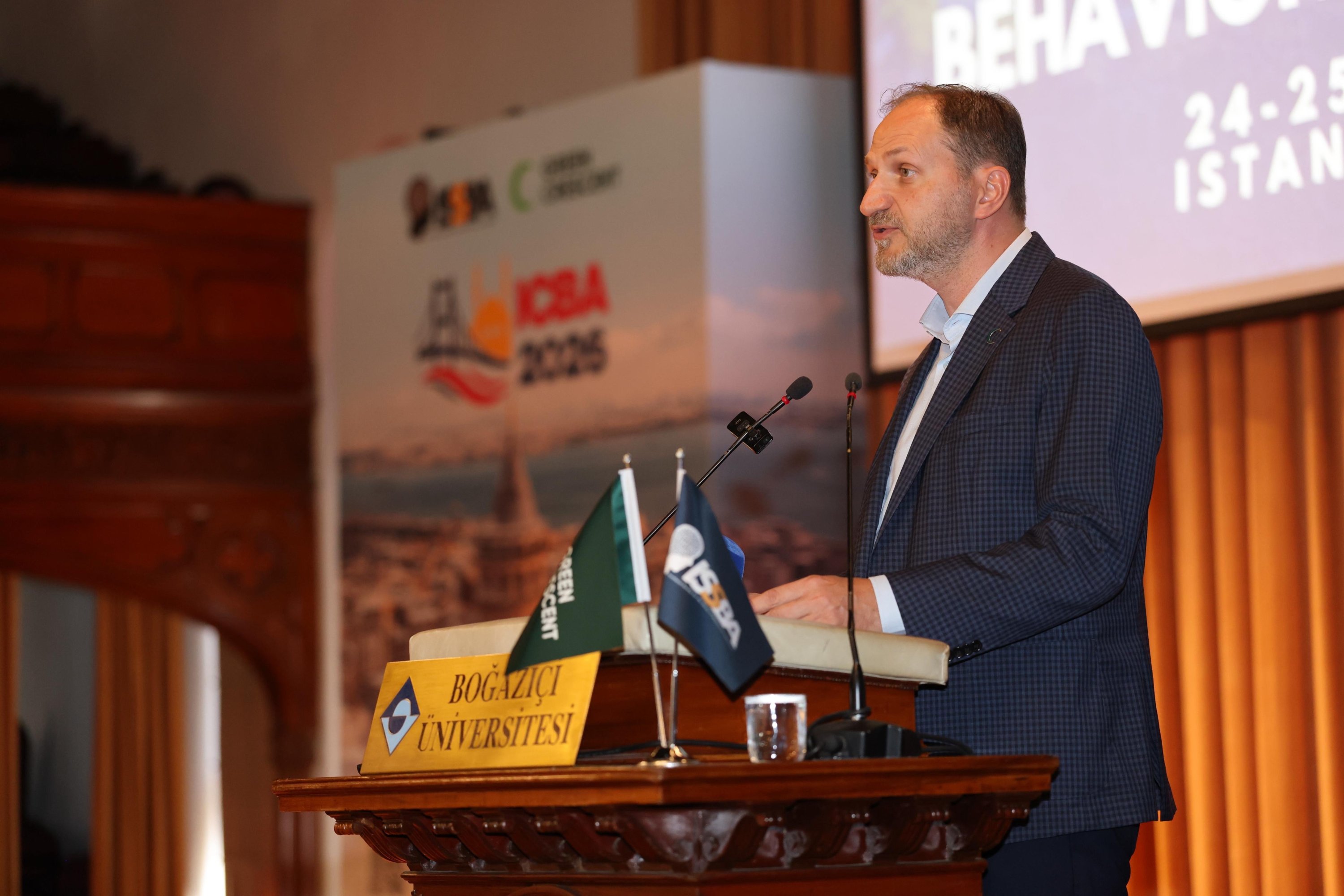
The conference opened with remarks from Turkish Green Crescent Society President Professor Mehmet Dinç and Zsolt Demetrovics, president of the International Society for the Study of Behavioral Addictions (ISSBA).
Dinç said the changing nature of addiction requires scientific approaches to evolve, noting that addiction had for years been addressed primarily in the context of substance use but that gambling, gaming, problematic internet use and other behavioral addictions are becoming increasingly prominent.
“The nature of addiction is changing every day,” Dinç said, stressing that scientific approaches must also be reassessed as addictive behaviors evolve.
He said the digital age also requires researchers to look beyond individual behavior and examine the broader conditions that can contribute to addiction.
“We must ask not only, ‘Why does a person lose control?’ but also, ‘What kind of environment makes losing control more likely?’” Dinç said.
Pointing to the environmental and systemic dimensions of addiction, Dinç emphasized the importance of cooperation among disciplines including neuroscience, psychology, psychiatry, public health, sociology, technology, economics and ethics.
He also stressed the importance of keeping people at the center of scientific research.
“Behind every person is a story and behind every addiction is potential recovery,” Dinç said.
He noted that Yeşilay's approach extends beyond treating addiction to preventing it, reducing stigma, strengthening psychological and social resilience and creating environments that support healthy choices.
The conference features prominent international researchers including Marc N. Potenza, Hae Kook Lee, Sophia Achab, Maëva Flayelle, Jon Grant, Daniel King and Wim van den Brink. Its Scientific Committee includes experts from countries including Canada, Japan, Spain, South Korea, Hungary, Germany, the United States and China.
The opening ceremony also featured three awards honoring outstanding contributions to the field.
Dr. Marc N. Potenza received the 2026 Lifetime Achievement Award for the Study of Behavioral Addictions, recognizing his contributions as one of the world's leading experts in addiction science.
Professor Daniel King received the 2026 Great Achievement Award for the Study of Behavioral Addictions for his work on online gaming, simulated gambling and social media.
Maëva Flayelle received the 2026 Early Career Researcher Award for the Study of Behavioral Addictions for her pioneering work on the psychological study of television series binge-watching and research at the intersection of media and clinical psychology.
Beyond presenting current research, the conference aims to foster new scientific networks and international collaboration as researchers seek multidisciplinary responses to the evolving and increasingly diverse nature of behavioral addictions.
With the previous edition held in Nantes, France, the next edition is scheduled to take place in Canada in 2027.
The three-day conference will continue at Boğaziçi University through Aug. 26, with further presentations and discussions.