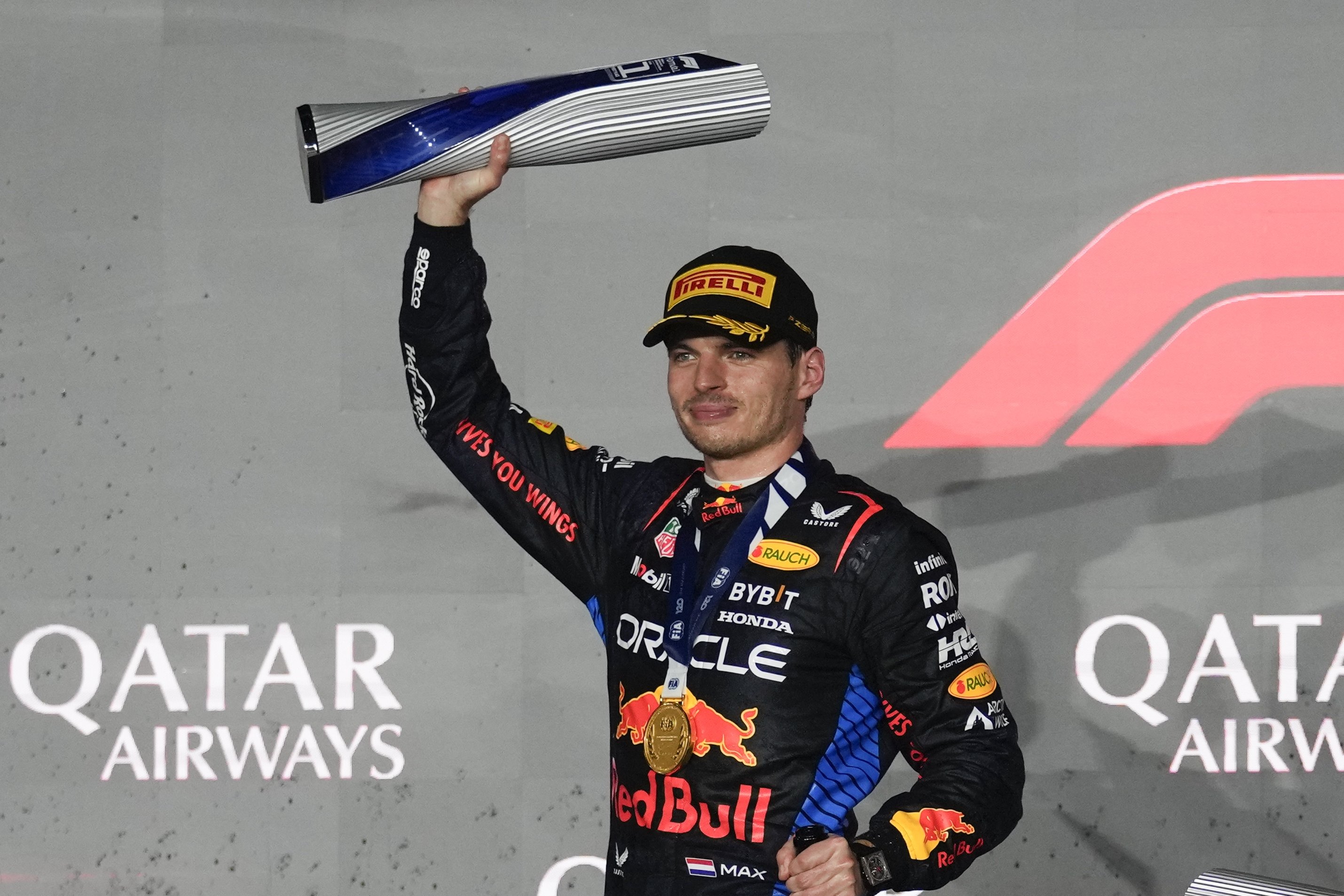
Formula One has crowned 35 different world champions since the inaugural championship in 1950, with the sport's greatest names spanning eight decades of changing cars, circuits, regulations and rivalries.
The latest addition to that list came in December 2025, when McLaren's Lando Norris secured his first Drivers' Championship at the Abu Dhabi Grand Prix.
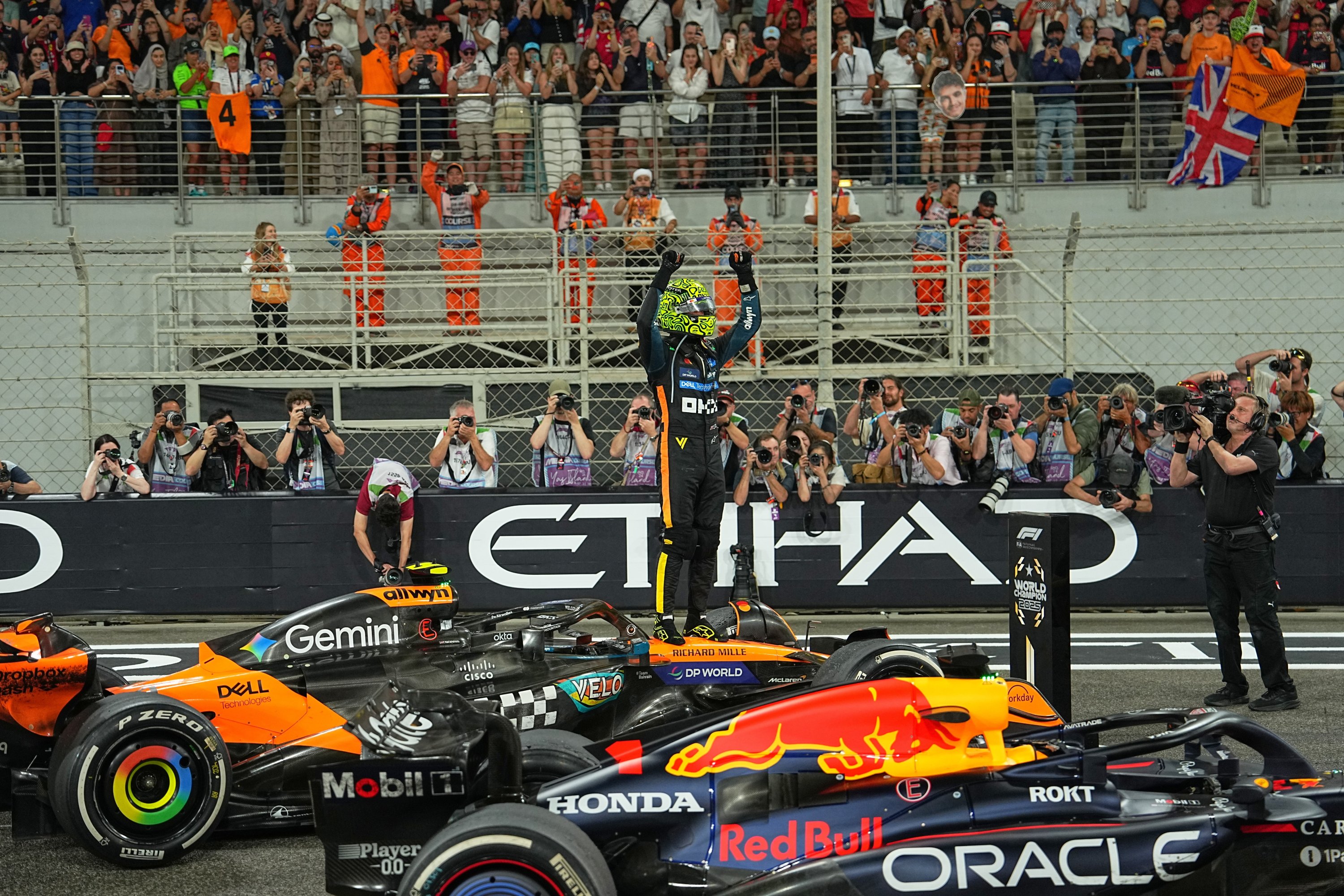
Norris finished third in the season finale to edge reigning champion Max Verstappen by two points and become the 35th different driver to win the title.
The Drivers' Championship has been awarded every season since 1950. Michael Schumacher and Lewis Hamilton share the record with seven championships apiece, while Juan Manuel Fangio is next with five.
Alain Prost, Sebastian Vettel and Verstappen have four championships each.
The separate Constructors' Championship began in 1958. The list below focuses on the Drivers' Championship and identifies the constructor associated with each title.
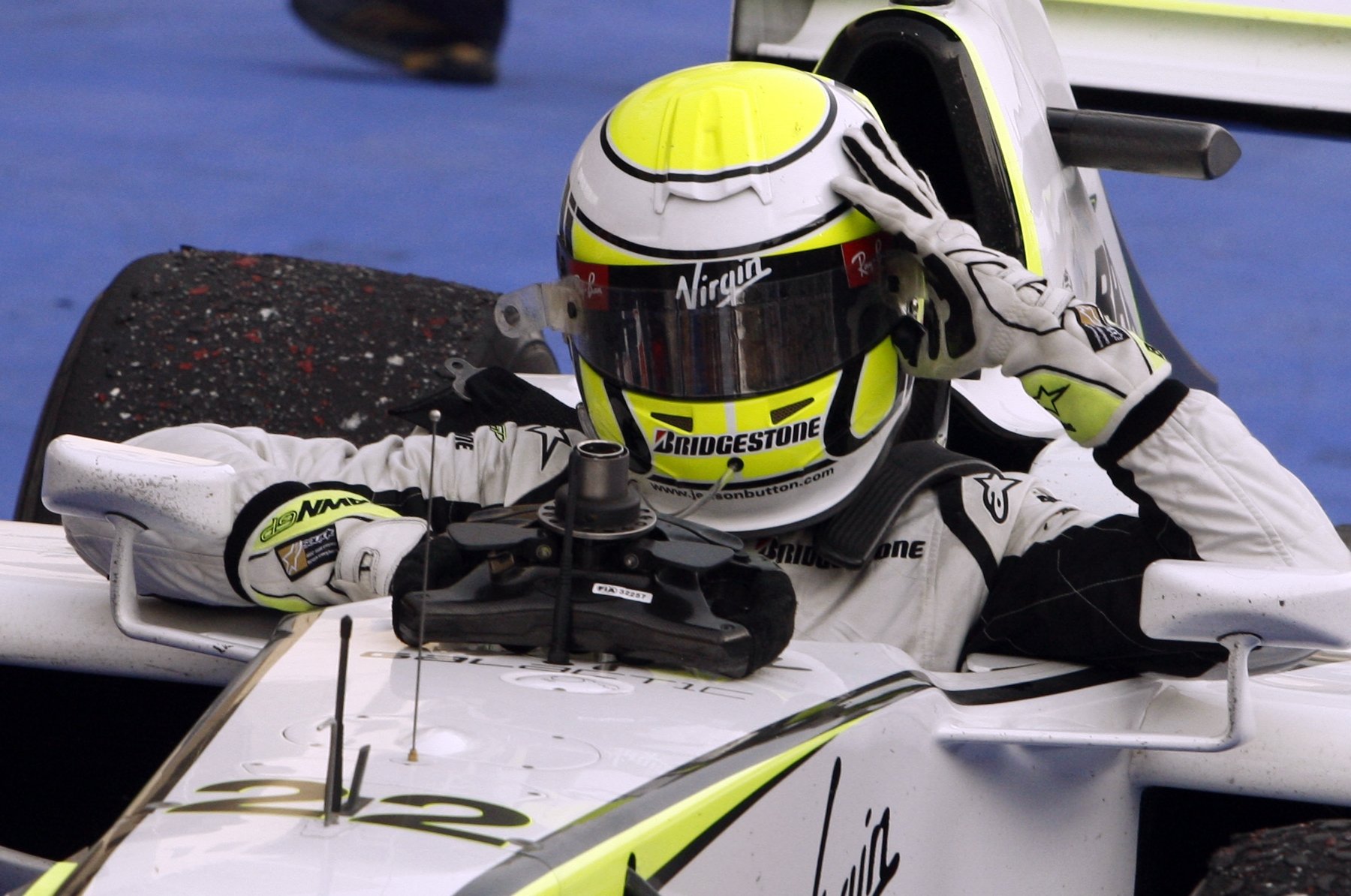
1950: Giuseppe Farina, Italy, Alfa Romeo
1951: Juan Manuel Fangio, Argentina, Alfa Romeo
1952: Alberto Ascari, Italy, Ferrari
1953: Alberto Ascari, Italy, Ferrari
1954: Juan Manuel Fangio, Argentina, Mercedes/Maserati
1955: Juan Manuel Fangio, Argentina, Mercedes
1956: Juan Manuel Fangio, Argentina, Lancia/Ferrari
1957: Juan Manuel Fangio, Argentina, Maserati
1958: Mike Hawthorn, United Kingdom, Ferrari
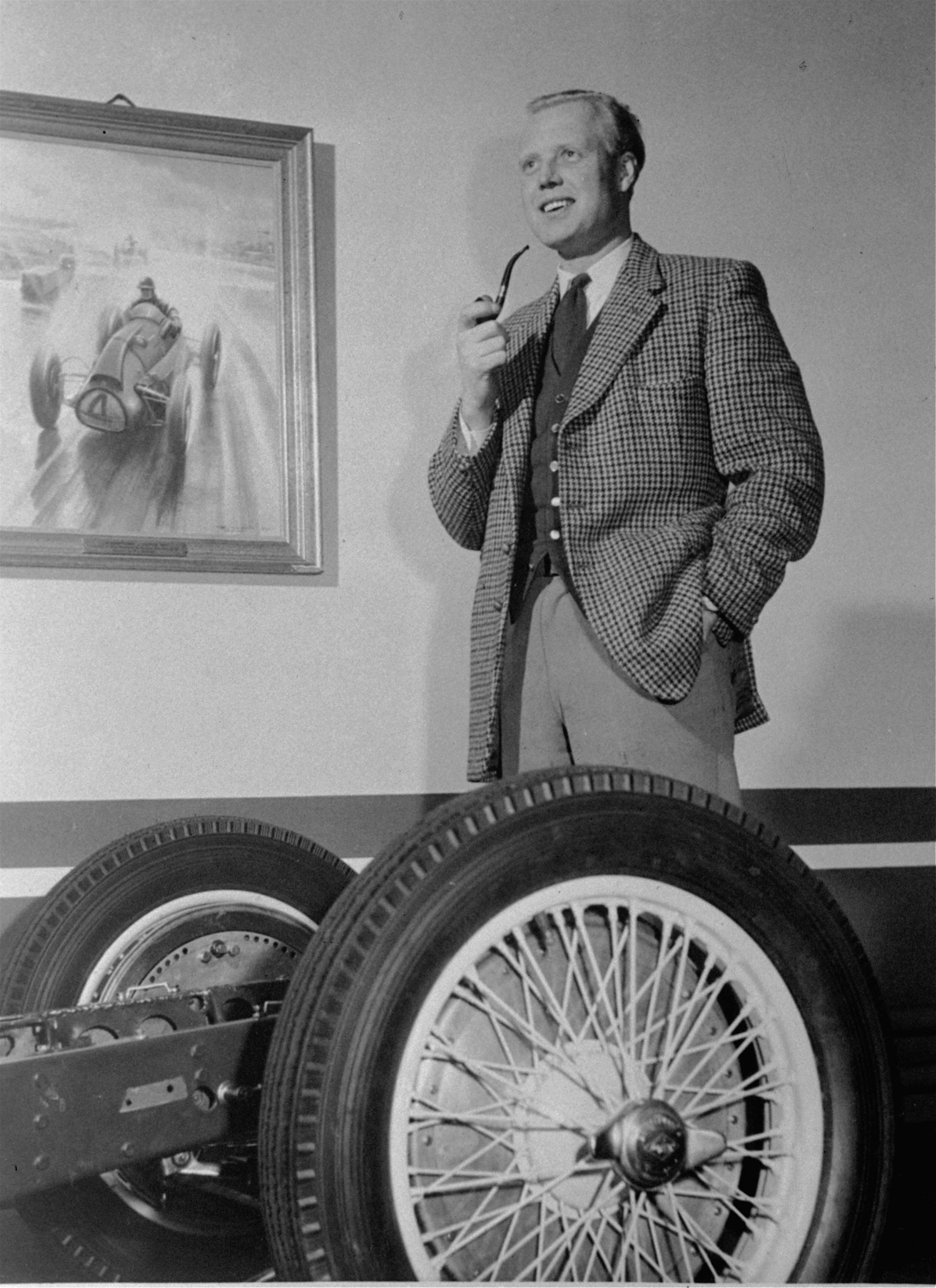
1959: Jack Brabham, Australia, Cooper
1960: Jack Brabham, Australia, Cooper
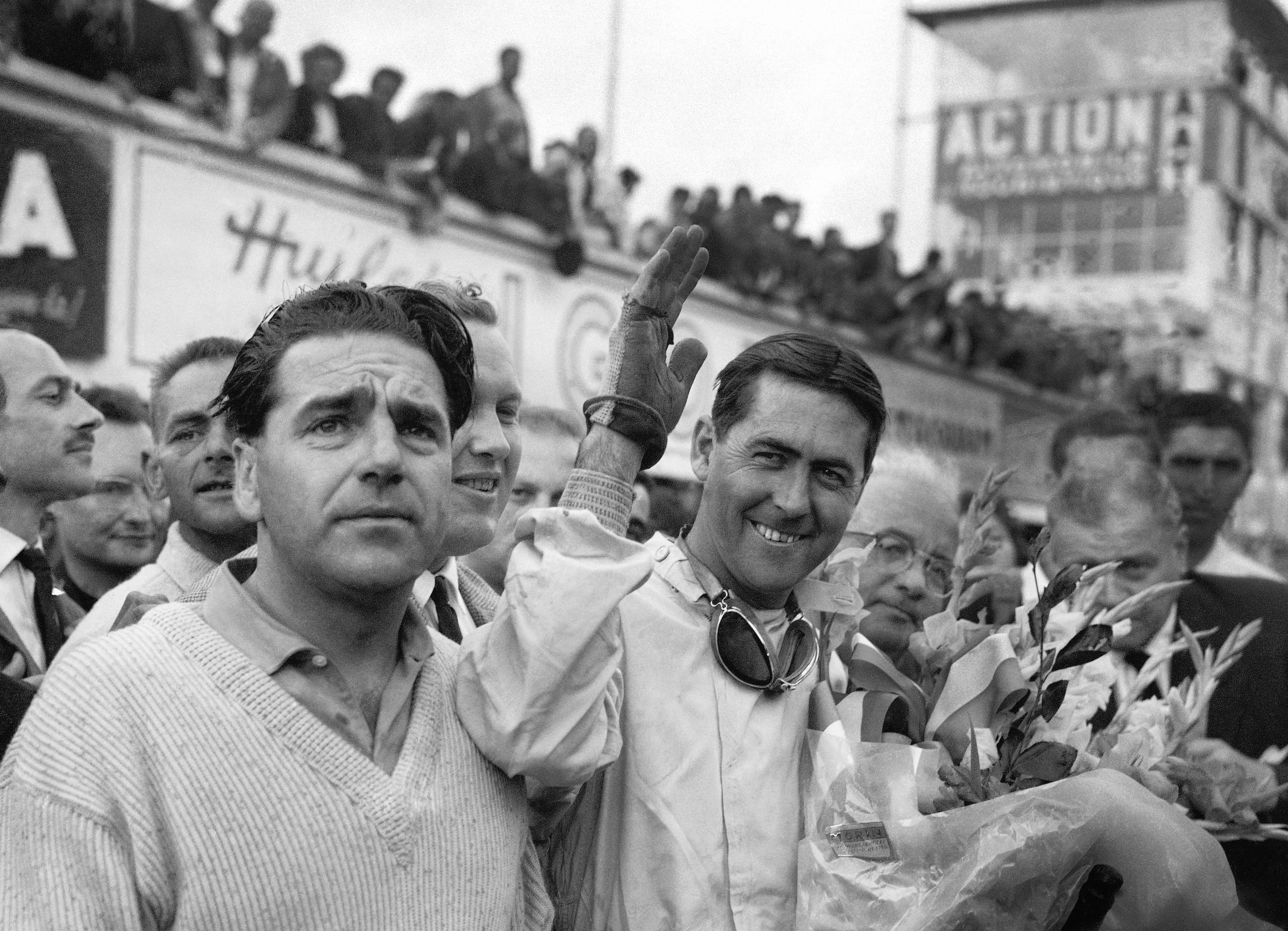
1961: Phil Hill, United States, Ferrari
1962: Graham Hill, United Kingdom, BRM
1963: Jim Clark, United Kingdom, Lotus
1964: John Surtees, United Kingdom, Ferrari
1965: Jim Clark, United Kingdom, Lotus
1966: Jack Brabham, Australia, Brabham
1967: Denny Hulme, New Zealand, Brabham
1968: Graham Hill, United Kingdom, Lotus
1969: Jackie Stewart, United Kingdom, Matra
1970: Jochen Rindt, Austria, Lotus
1971: Jackie Stewart, United Kingdom, Tyrrell
1972: Emerson Fittipaldi, Brazil, Lotus
1973: Jackie Stewart, United Kingdom, Tyrrell
1974: Emerson Fittipaldi, Brazil, McLaren
1975: Niki Lauda, Austria, Ferrari
1976: James Hunt, United Kingdom, McLaren
1977: Niki Lauda, Austria, Ferrari
1978: Mario Andretti, United States, Lotus
1979: Jody Scheckter, South Africa, Ferrari
1980: Alan Jones, Australia, Williams
1981: Nelson Piquet, Brazil, Brabham
1982: Keke Rosberg, Finland, Williams
1983: Nelson Piquet, Brazil, Brabham
1984: Niki Lauda, Austria, McLaren
1985: Alain Prost, France, McLaren
1986: Alain Prost, France, McLaren
1987: Nelson Piquet, Brazil, Williams
1988: Ayrton Senna, Brazil, McLaren
1989: Alain Prost, France, McLaren
1990: Ayrton Senna, Brazil, McLaren
1991: Ayrton Senna, Brazil, McLaren
1992: Nigel Mansell, United Kingdom, Williams
1993: Alain Prost, France, Williams
1994: Michael Schumacher, Germany, Benetton
1995: Michael Schumacher, Germany, Benetton
1996: Damon Hill, United Kingdom, Williams
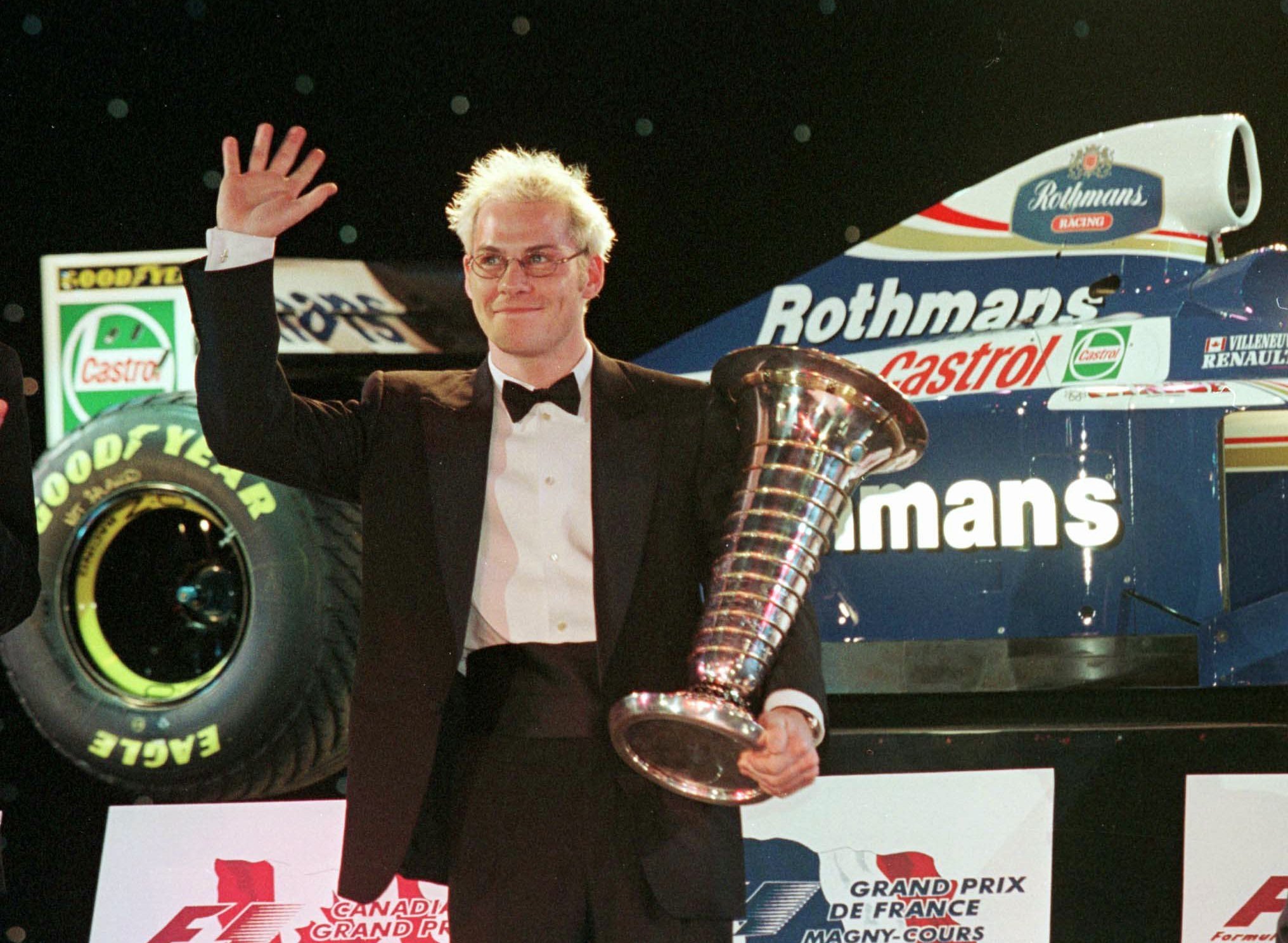
1997: Jacques Villeneuve, Canada, Williams
1998: Mika Hakkinen, Finland, McLaren
1999: Mika Hakkinen, Finland, McLaren
2000: Michael Schumacher, Germany, Ferrari
2001: Michael Schumacher, Germany, Ferrari
2002: Michael Schumacher, Germany, Ferrari
2003: Michael Schumacher, Germany, Ferrari
2004: Michael Schumacher, Germany, Ferrari
2005: Fernando Alonso, Spain, Renault
2006: Fernando Alonso, Spain, Renault
2007: Kimi Raikkonen, Finland, Ferrari
2008: Lewis Hamilton, United Kingdom, McLaren
2009: Jenson Button, United Kingdom, Brawn
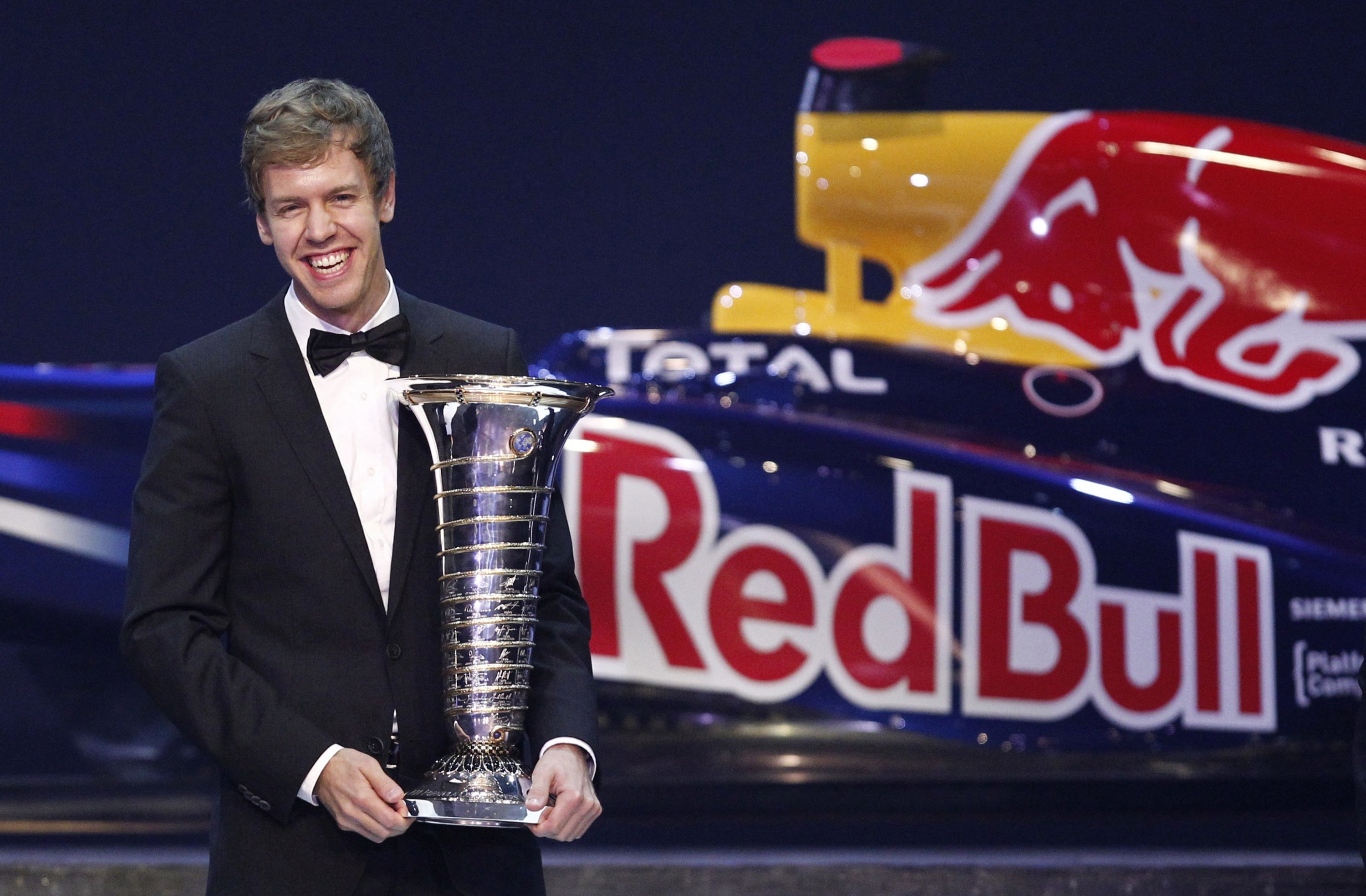
2010: Sebastian Vettel, Germany, Red Bull
2011: Sebastian Vettel, Germany, Red Bull
2012: Sebastian Vettel, Germany, Red Bull
2013: Sebastian Vettel, Germany, Red Bull
2014: Lewis Hamilton, United Kingdom, Mercedes
2015: Lewis Hamilton, United Kingdom, Mercedes
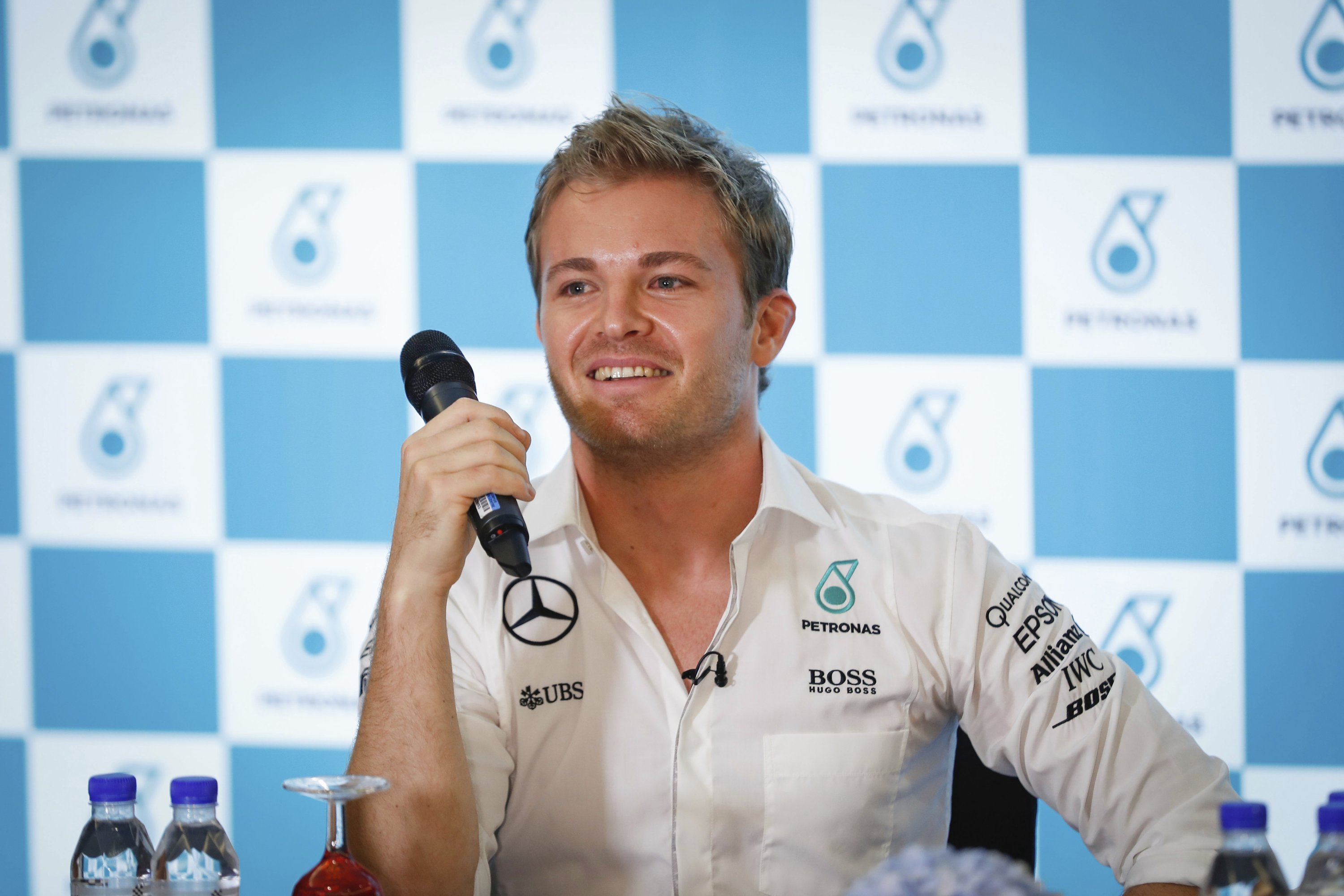
2016: Nico Rosberg, Germany, Mercedes
2017: Lewis Hamilton, United Kingdom, Mercedes
2018: Lewis Hamilton, United Kingdom, Mercedes
2019: Lewis Hamilton, United Kingdom, Mercedes
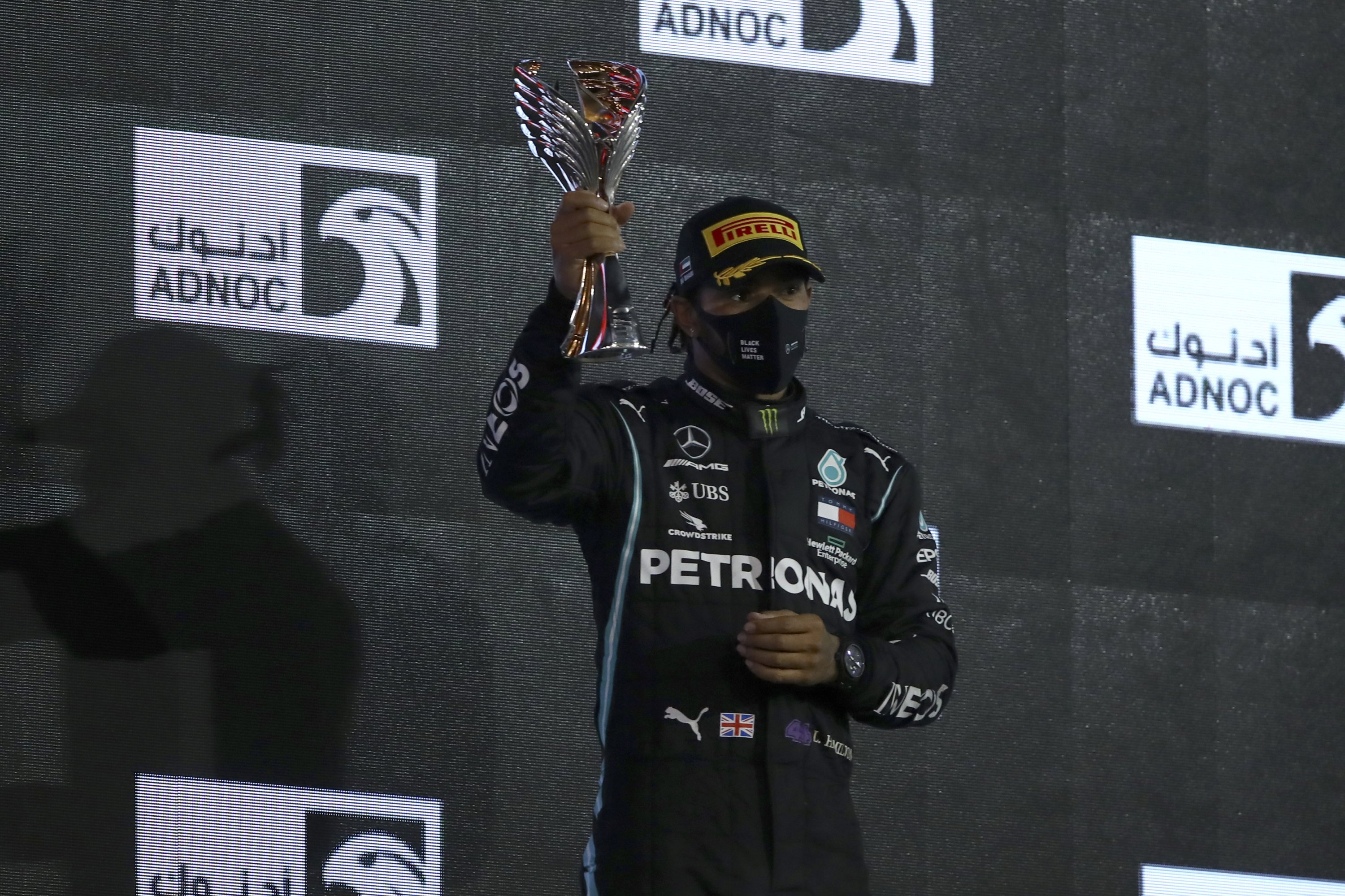
2020: Lewis Hamilton, United Kingdom, Mercedes
2021: Max Verstappen, Netherlands, Red Bull
2022: Max Verstappen, Netherlands, Red Bull
2023: Max Verstappen, Netherlands, Red Bull
2024: Max Verstappen, Netherlands, Red Bull
2025: Lando Norris, United Kingdom, McLaren
Michael Schumacher and Lewis Hamilton sit level at the top with seven championships each.
Fangio follows with five, while Prost, Vettel and Verstappen have four apiece. Verstappen completed his fourth consecutive championship in 2024 before Norris ended his reign in 2025.
Drivers with three titles are Jack Brabham, Jackie Stewart, Niki Lauda, Nelson Piquet and Ayrton Senna.
Two-time champions are Alberto Ascari, Jim Clark, Graham Hill, Emerson Fittipaldi, Mika Hakkinen and Fernando Alonso.
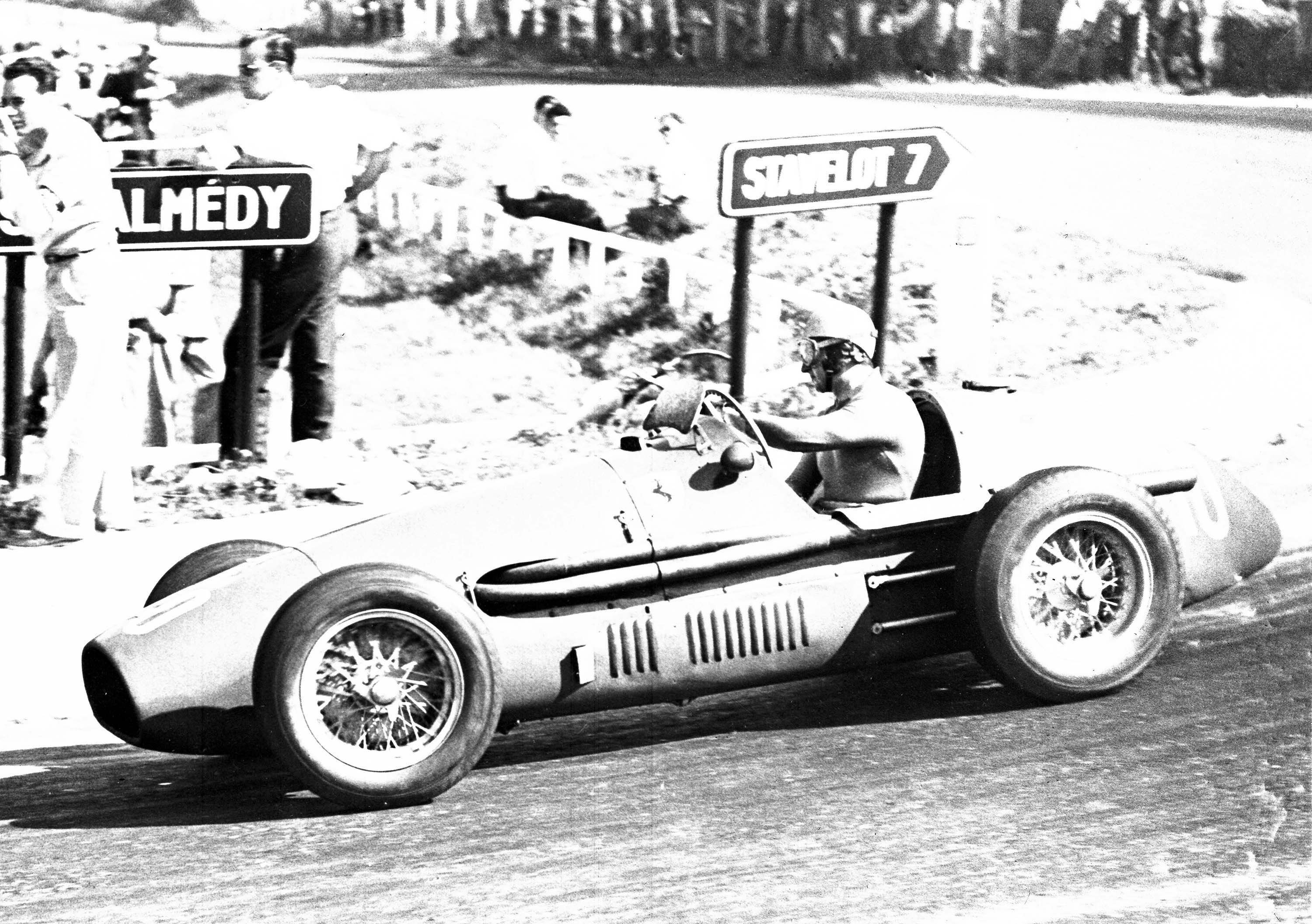
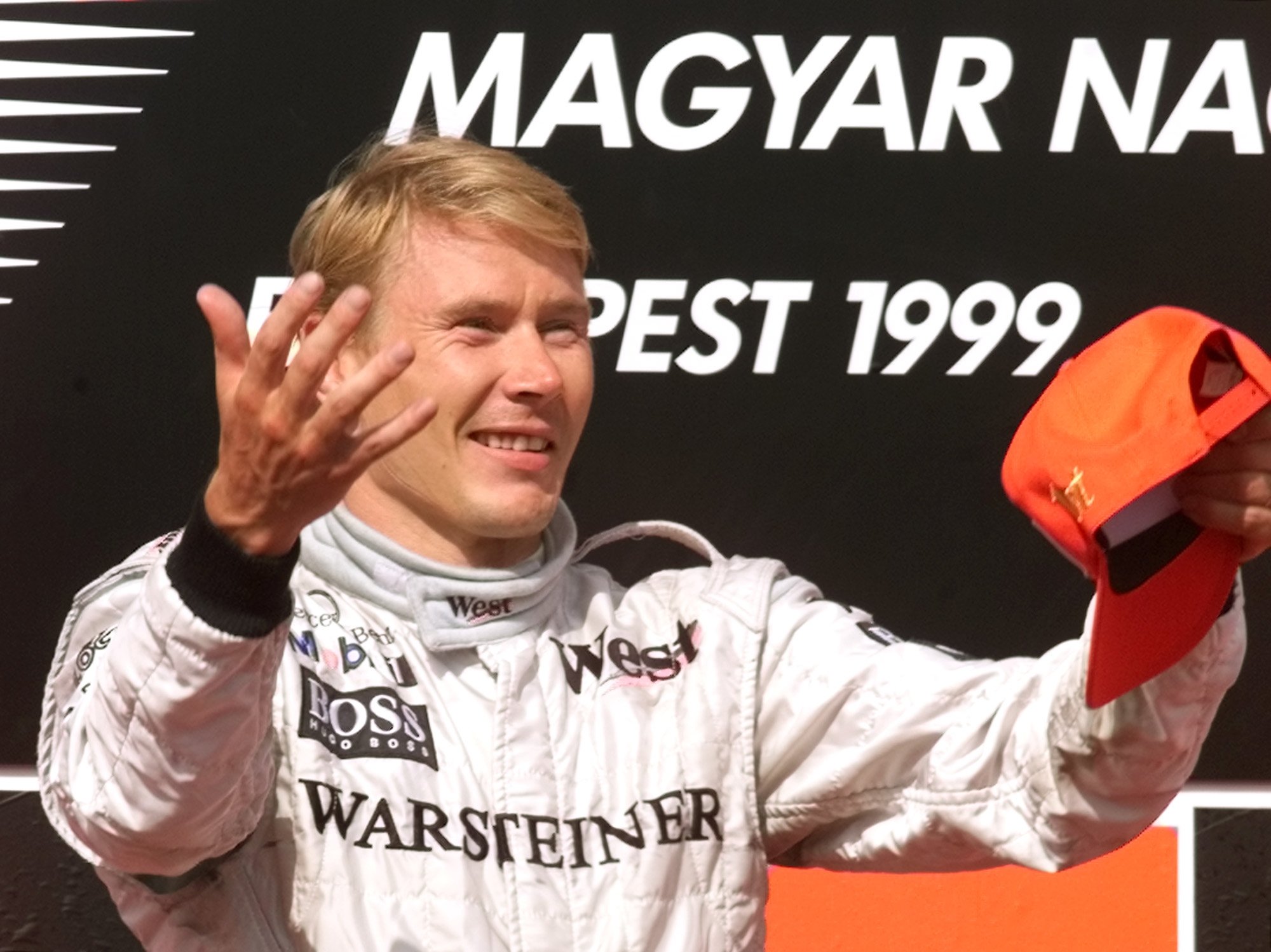
Every other champion in F1 history has won the title once.
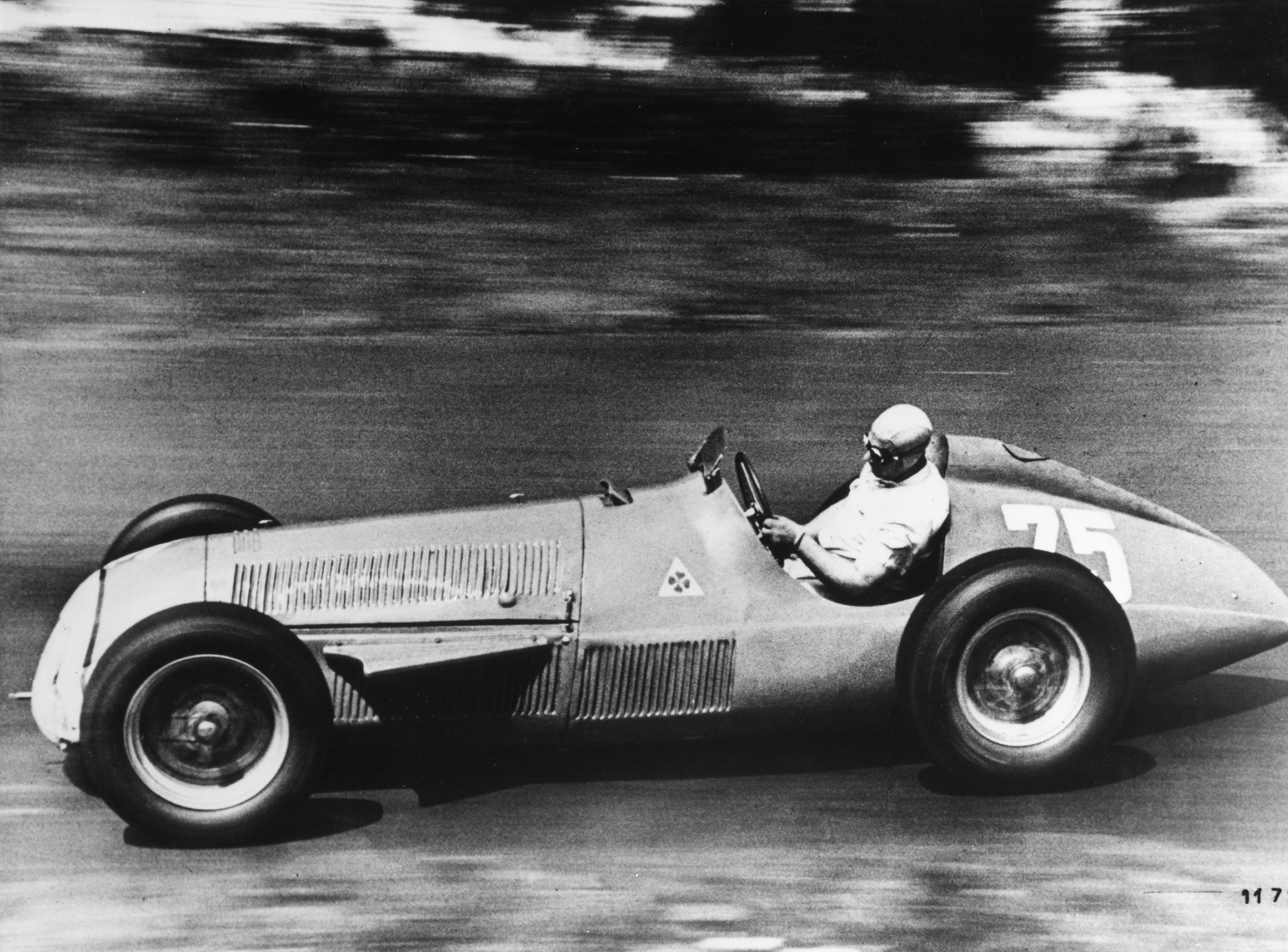
The championship began in 1950 with Alfa Romeo's Giuseppe Farina becoming the first Formula One world champion.
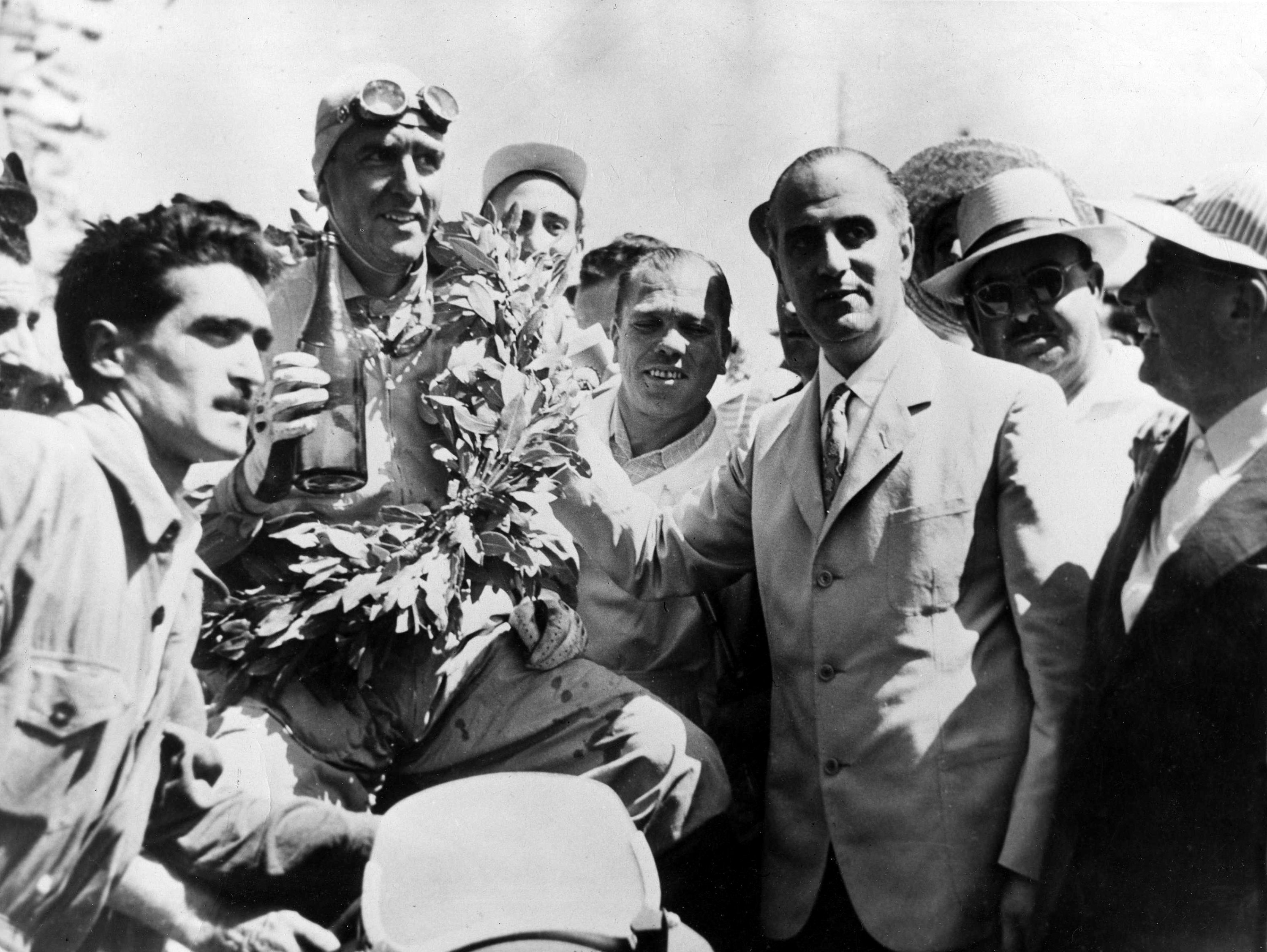
The early years belonged largely to Italian teams and Fangio, who won five championships between 1951 and 1957. Fangio's titles came with Alfa Romeo, Mercedes, Ferrari and Maserati, an extraordinary run that established him as the dominant driver of the sport's formative era.
The 1950s also produced one of F1's most unusual championship records. Fangio's five titles were followed by Mike Hawthorn in 1958 and Jack Brabham's first two championships in 1959 and 1960.
The 1960s and 1970s brought a growing British presence among both drivers and constructors.
Jim Clark won two titles for Lotus, Graham Hill became a two-time champion and Jackie Stewart collected three championships. Brabham also became a major force, with Australian driver Jack Brabham winning the 1966 title in a Brabham-built car.
The era also produced one of the sport's most remarkable championship stories. Jochen Rindt became the only driver to win the Formula One world title posthumously after his fatal crash during qualifying for the 1970 Italian Grand Prix. He had built an insurmountable points advantage before his death, allowing Lotus to claim the championship in his name.
The 1980s and early 1990s were shaped by fierce competition between Prost, Senna and Piquet.
Prost won four championships across 1985, 1986, 1989 and 1993. Senna captured three titles with McLaren in 1988, 1990 and 1991, while Piquet won three championships in 1981, 1983 and 1987.
The Prost-Senna rivalry became one of the defining chapters in F1 history, with the two McLaren teammates battling for championships and producing a series of controversial clashes.
Senna's death at the 1994 San Marino Grand Prix marked a major moment in Formula One's safety history and was followed by sweeping changes aimed at improving driver protection.
Michael Schumacher emerged as the dominant figure of the second half of the 1990s and the early 2000s.
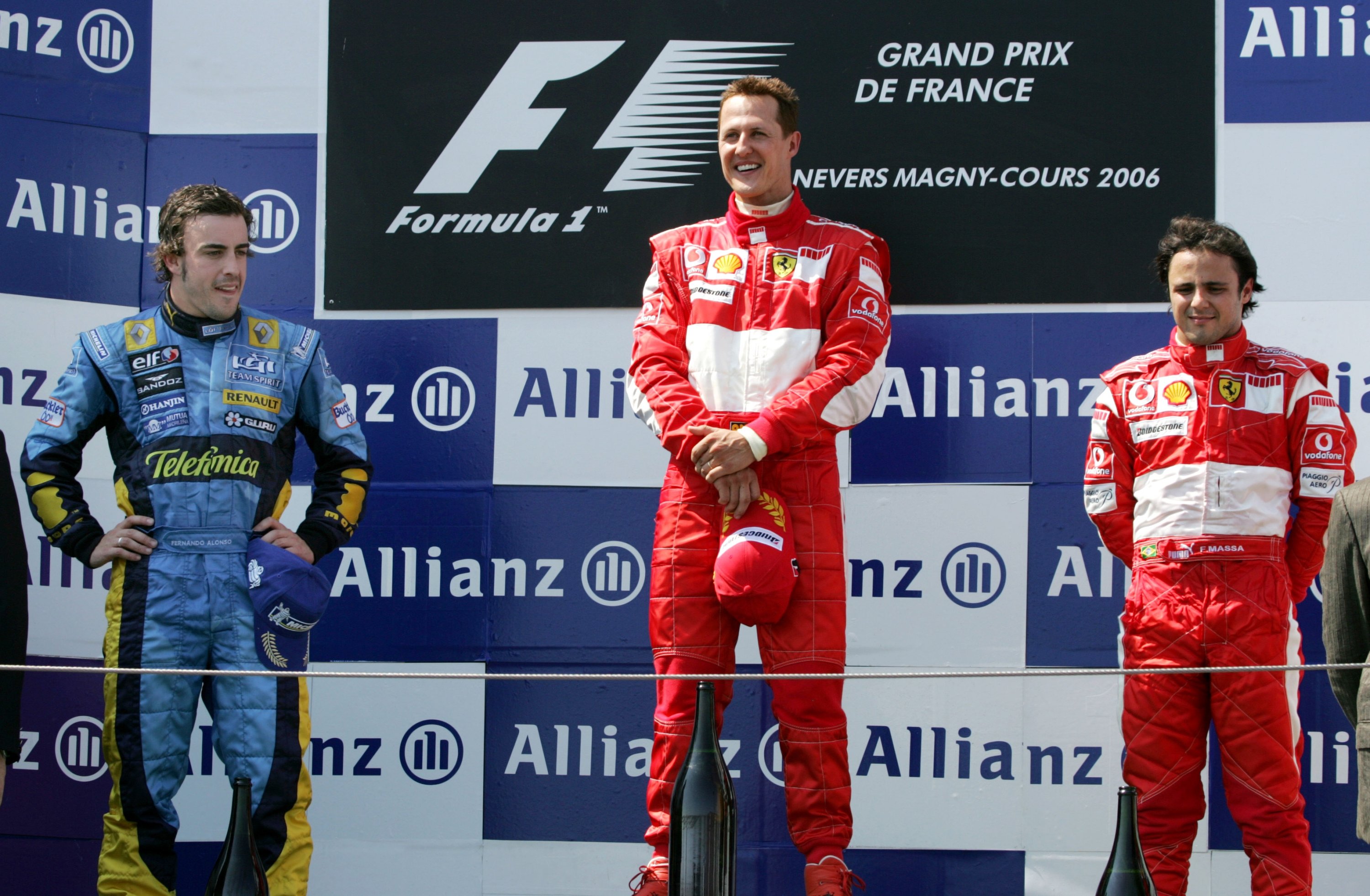
After winning back-to-back titles with Benetton in 1994 and 1995, Schumacher moved to Ferrari and eventually delivered an unprecedented run of five consecutive championships between 2000 and 2004. That remains the longest uninterrupted championship streak by a driver.
Fernando Alonso ended Schumacher's run by winning consecutive championships with Renault in 2005 and 2006.
The following season brought another dramatic change. Kimi Raikkönen won the 2007 championship with Ferrari before Lewis Hamilton claimed his first title with McLaren in 2008.
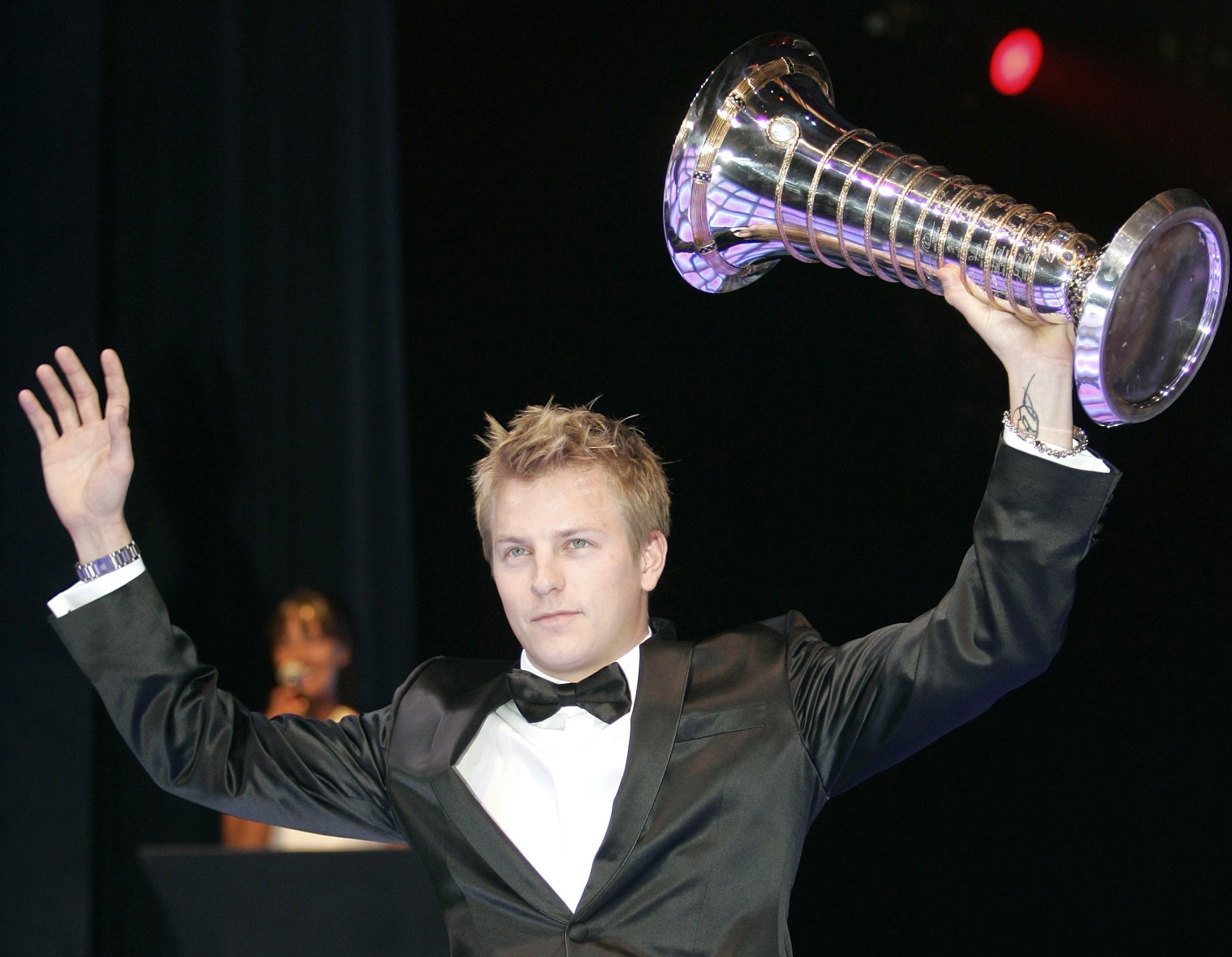
Hamilton's career would eventually take him into the record books.
His 2008 McLaren championship was followed by six titles with Mercedes between 2014 and 2020, giving him seven overall and putting him level with Schumacher for the record.
Sebastian Vettel dominated the opening years of the 2010s, winning four consecutive championships for Red Bull from 2010 through 2013.
Nico Rosberg briefly interrupted Hamilton's Mercedes run by winning the 2016 championship, before Hamilton returned to the top in 2017 and went on to add three more titles through 2020.
The next major shift came in 2021, when Max Verstappen won his first championship after a season-long battle with Hamilton.
Verstappen followed that breakthrough with three more titles in 2022, 2023 and 2024, becoming a four-time world champion and joining an elite group that includes Prost and Vettel.
His fourth title marked the end of another dominant period before McLaren emerged as the leading force of the 2025 season.
Norris became the latest name on the championship roll of honor in 2025.
The Briton entered the Abu Dhabi finale in a three-way title fight with Verstappen and McLaren teammate Oscar Piastri. Norris finished third while Verstappen won the race, but the result was enough for Norris to secure the championship by two points.
Norris became the 35th different Formula One world champion and the 11th British driver to win the title. His championship also ended McLaren's 17-year wait for a Drivers' Championship, following Hamilton's 2008 success.
McLaren completed the 2025 double by also winning the Constructors' Championship.
The final margin was one of the closest in modern F1 history. Verstappen finished just two points behind Norris, while Piastri ended the season third.
Britain leads the nationality table with 21 Drivers' Championships won by 11 different drivers, including Norris in 2025.
Germany is next with 12 titles, followed by Brazil with eight and Argentina with five.
Finland, Australia, Austria, France and the Netherlands have each produced four championship-winning campaigns. Italy, the United States and Spain have each produced two.
New Zealand, South Africa and Canada have each produced one world champion.
In total, Formula One's 35 champions have represented 15 different countries, underlining the global reach of a championship that began with a small European core in 1950 and has since become one of the world's most international sporting competitions.
76: Drivers' Championships awarded through 2025
35: Different world champions
15: Countries represented by champions
7: Titles each for Schumacher and Hamilton
5: Fangio's championships
4: Titles each for Prost, Vettel and Verstappen
21: Championships won by British drivers
11: British drivers who have become world champions
5: Schumacher's consecutive titles from 2000-04
2: Points separating Norris and Verstappen in 2025
The 2026 Formula One season is currently underway, but its championship has not yet been decided. The historical list above therefore runs through the conclusion of the 2025 season, when Norris became the sport's 35th world champion.