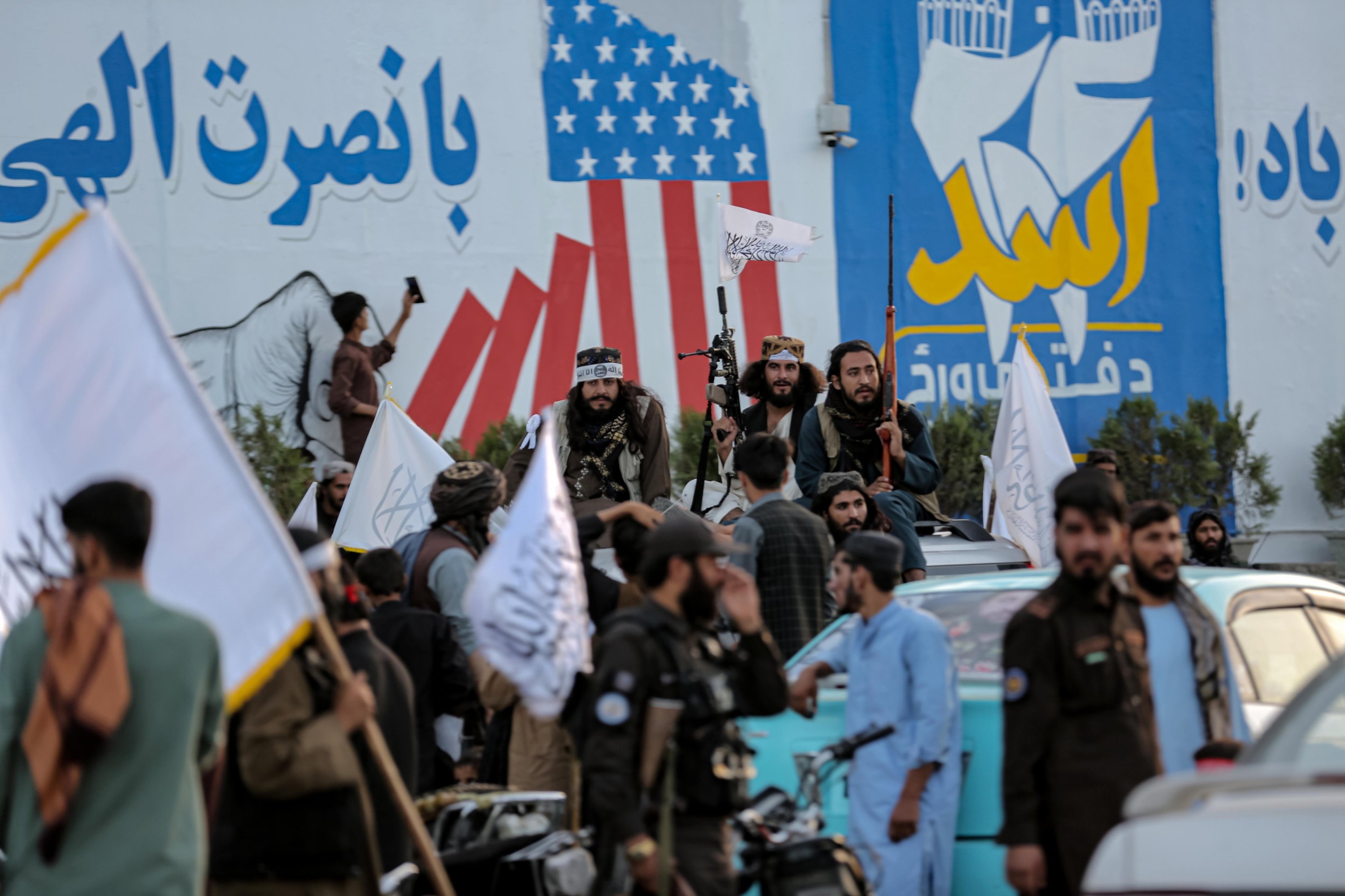
Over five years after the Taliban returned to power in Afghanistan, their survival is no longer the central question. They have consolidated their rule, outlasted international pressure, and begun building relationships with countries that once kept them at arm's length. The harder question now is whether five years of control can turn into a sustainable model of governance.
The Taliban have achieved something that the world once doubted was possible. They have largely maintained control over the country without a large-scale military challenge from an alternative government. The war that defined Afghanistan for more than two decades has ended now, and according to many Afghans, they feel safer than they did before. But a sense of security alone cannot solve Afghanistan's deeper problems. People still need jobs, education, healthcare and a much stronger economy. Ending a war and building a country are two entirely different things.
Around 21.9 million Afghans, or roughly 45% of the country’s entire population, are estimated to need humanitarian assistance in 2026. Afghanistan is also dealing with drought, natural disasters and weak economic conditions. The return of Afghans from neighboring countries, especially Pakistan, is placing additional pressure on communities that already have limited resources. Five years into Taliban rule, almost half the country still depends on some kind of aid.
Apart from that, there is a core issue which has shaped the Taliban's relationship with much of the outside world. The treatment of women and girls. Around 2.4 million Afghan girls remain excluded from secondary education, according to the United Nations. Afghanistan remains the only country in the world where girls and women are formally barred from secondary and higher education. Women have also been pushed out of large parts of public and economic life. These restrictions are not only a human rights issue but also an economic one. A country that keeps millions of girls away from education is also limiting the workforce, skills and institutions it most definitely will need in the future.
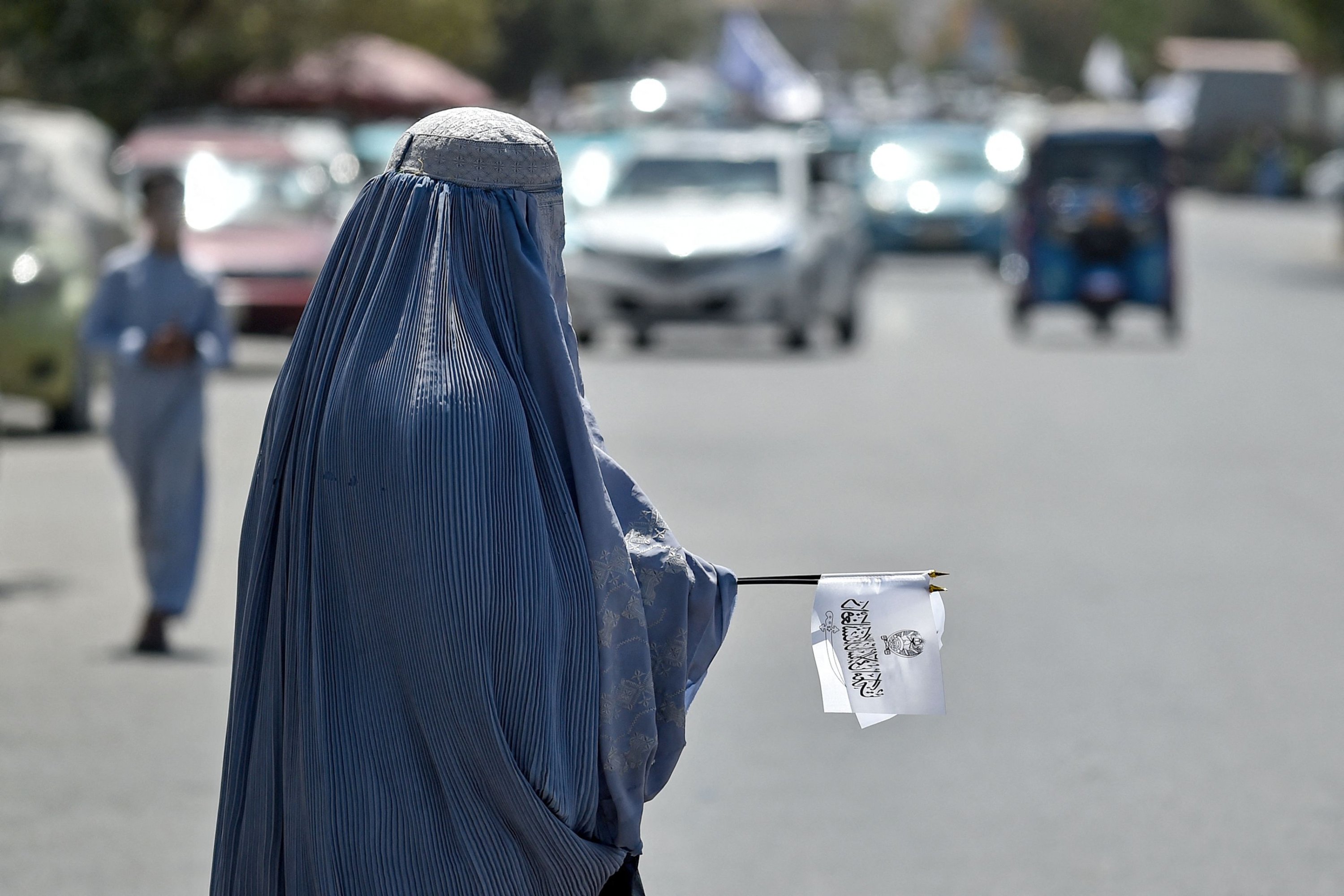
This is where governing and running a country becomes different from fighting. When the Taliban were an insurgency, their identity was built around resistance to foreign forces and the government they were trying to overthrow. Now, there are no American soldiers with their boots in Afghanistan and no Western-backed government in Kabul. The Taliban will now have to take responsibility for the country's economy, schools, healthcare system, borders and foreign relations. The problems of Afghanistan can no longer simply be presented as the consequences of invasion.
The Taliban have also found that international isolation came with its limits. Russia formally recognized their government in 2025, while China, India, Iran and several Central Asian states have expanded engagement with Kabul without formal recognition. India has recently increased diplomatic contact, while Iran has said relations with the Taliban can continue even without formal recognition. The shift is important because it shows that the international debate is slowly moving from whether governments should engage with the Taliban to how they can deal with Afghanistan’s new reality.
That creates a dilemma for the outside world as governments can refuse to recognize the Taliban while still needing to speak to them about terrorism, migration, trade, border security and humanitarian aid. Afghanistan shares borders with six countries and sits at the crossroads of South and Central Asia, making its stability important to places far beyond Kabul. Regional governments therefore have their own reasons to engage with the Taliban even if they do not see eye to eye with them.
For the Taliban, however, greater diplomatic contact will not automatically solve Afghanistan's economic problems. They need investment, trade and access to international markets, while the country remains heavily dependent on humanitarian assistance. At the same time, aid organizations are warning about severe funding shortages. This creates another difficult reality for the Taliban government. Afghanistan could become increasingly integrated into regional diplomacy while becoming less important to international donors, even as millions of Afghans continue to need assistance.
The next five years will therefore be defined by a contradiction. The Taliban wants Afghanistan to be treated as a sovereign government with normal international relations, but a lot of their own policies are what prevent that normalization and will probably continue to do so. They want investment and economic ties with other countries but remain unwilling to make many of the political changes demanded by the foreign governments. They want recognition while maintaining restrictions on women that have made Afghanistan an international outlier.
The fifth anniversary has now passed, but it leaves behind a question that will matter long after the ceremonies are over. In 2021, the Taliban had just won. In 2026, they have had five years to govern. The first challenge was taking power and holding it. The next challenge is whether that power can produce something ordinary Afghans can actually see in their lives. They need a future that does not depend on leaving the country.
The Taliban can point to the end of the foreign military presence and the end to the decades-long fighting as achievements. But governments are not judged on how long they can hold on. An insurgency can survive through discipline, ideology and resistance. A government is judged by whether people can build a decent life under it.
The Taliban have proved they can take Kabul. They have proved they can remain in power. They are now proving that other countries can gradually learn to deal with them. The unanswered question is whether they can prove something more important: that they can govern Afghanistan successfully.
Five years after the Taliban returned to Kabul, the world has spent much of its time asking when the Taliban will change. The next five years may force a different question: what happens if they do not?