Daily Sabah logo

Politics
Diplomacy Legislation War On Terror EU Affairs Elections News Analysis
TÜRKİYE
Istanbul Education Investigations Minorities Expat Corner Diaspora
World
Mid-East Europe Americas Asia Pacific Africa Syrian Crisis Islamophobia
Business
Automotive Economy Energy Finance Tourism Tech Defense Transportation News Analysis
Lifestyle
Health Environment Travel Food Fashion Science Religion History Feature Expat Corner
Arts
Cinema Music Events Portrait Reviews Performing Arts
Sports
Football Basketball Motorsports Tennis
Opinion
Columns Op-Ed Reader's Corner Editorial
PHOTO GALLERY
JOBS ABOUT US RSS PRIVACY CONTACT US
© Turkuvaz Haberleşme ve Yayıncılık 2025

Daily Sabah - Latest & Breaking News from Turkey | Istanbul

  • Politics
    • Diplomacy
    • Legislation
    • War On Terror
    • EU Affairs
    • Elections
    • News Analysis
  • TÜRKİYE
    • Istanbul
    • Education
    • Investigations
    • Minorities
    • Expat Corner
    • Diaspora
  • World
    • Mid-East
    • Europe
    • Americas
    • Asia Pacific
    • Africa
    • Syrian Crisis
    • Islamophobia
  • Business
    • Automotive
    • Economy
    • Energy
    • Finance
    • Tourism
    • Tech
    • Defense
    • Transportation
    • News Analysis
  • Lifestyle
    • Health
    • Environment
    • Travel
    • Food
    • Fashion
    • Science
    • Religion
    • History
    • Feature
    • Expat Corner
  • Arts
    • Cinema
    • Music
    • Events
    • Portrait
    • Reviews
    • Performing Arts
  • Sports
    • Football
    • Basketball
    • Motorsports
    • Tennis
  • Gallery
  • Opinion
    • Columns
    • Op-Ed
    • Reader's Corner
    • Editorial
  • TV
  • Life
  • Health
  • Environment
  • Travel
  • Food
  • Fashion
  • Science
  • Religion
  • History
  • Feature
  • Expat Corner

Planet or not, frigid little Pluto started out hot

by REUTERS

WASHINGTON Jun 24, 2020 - 11:59 am GMT+3
Edited By Yasemin Nicola Sakay
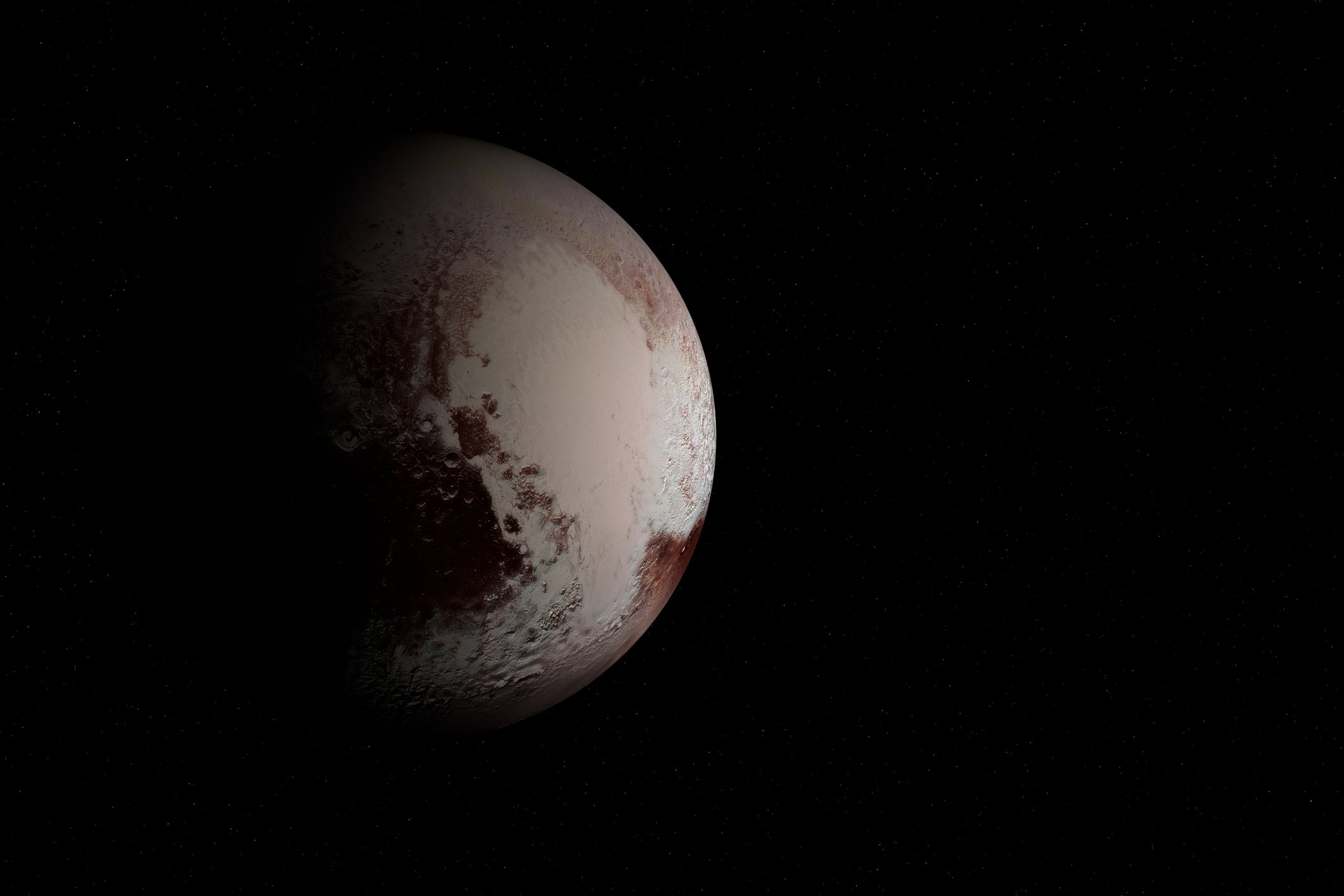
Researchers long thought that Pluto began as an icy sphere at the edge of our solar system. (iStock Photo)
by REUTERS Jun 24, 2020 11:59 am
Edited By Yasemin Nicola Sakay

Pluto, a frigid little world inhabiting the solar system's outer reaches, may have been born as a warmer place sheltering a subsurface ocean that still exists today, researchers said on Monday.

An analysis of images of its surface taken in 2015 by NASA's New Horizons spacecraft and computer simulations of the dwarf planet's interior led the researchers to propose a "hot start" scenario for Pluto's formation some 4.5 billion years ago as the solar system, including Earth, took shape.

"When Pluto was forming, new material would have been coming in and impacting its surface. Each impact is like an explosion that would warm the nearby area," said University of California Santa Cruz planetary scientist Carver Bierson, lead author of the research published in the journal Nature Geoscience.

"If Pluto formed slowly, the surface would cool between each impact and generally stay very cold. If Pluto formed quickly, you have impact on top of impact and the surface doesn't have time to cool. We calculate that if Pluto formed in less than 30,000 years, the heat from these impacts could have been sufficient to lead to an early ocean," Bierson added.
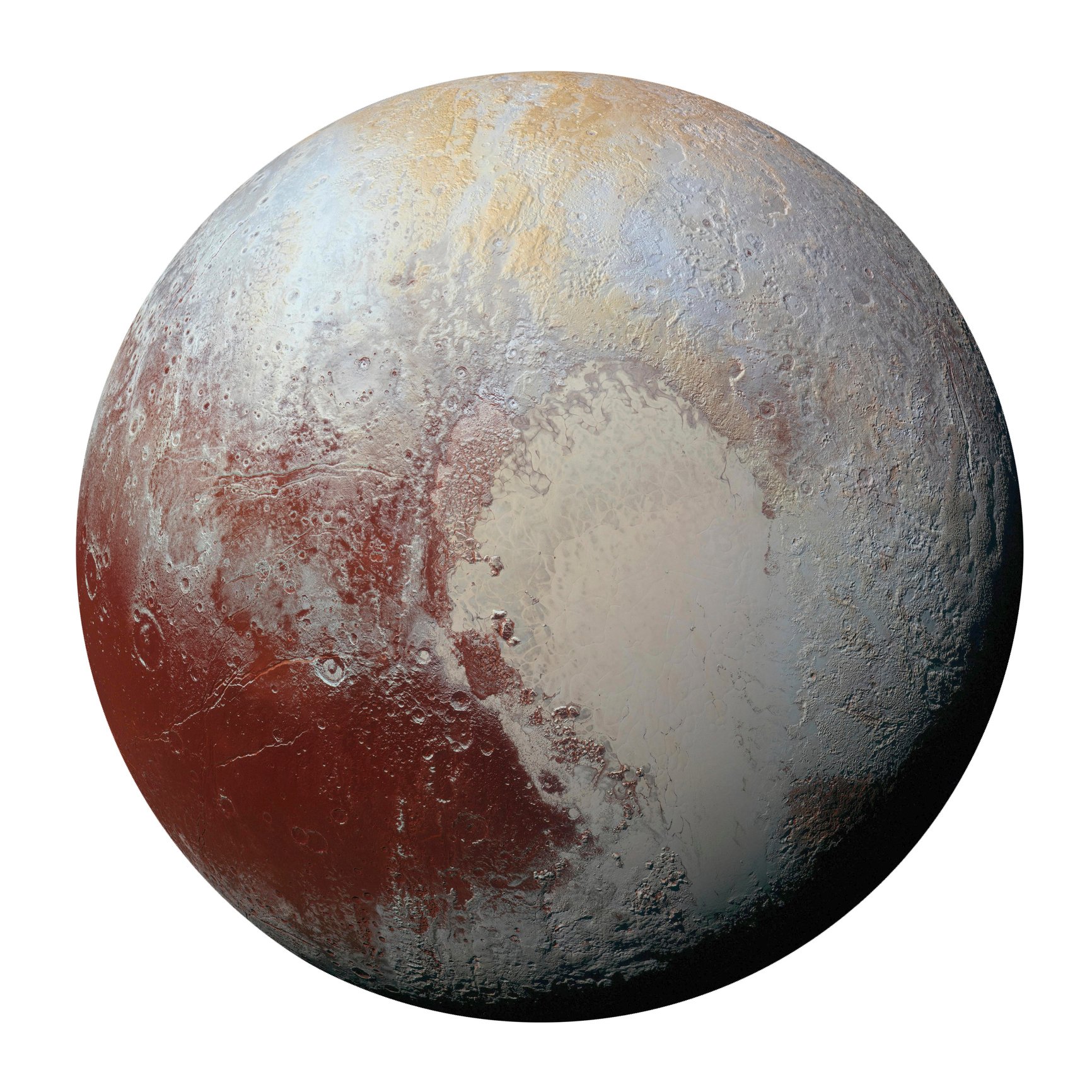
Pluto's surface has a lot of colors, but 'the heart' on its western lobe stands out the most. (iStock Photo)
Pluto's surface has a lot of colors, but "the heart" on its western lobe stands out the most. (iStock Photo)

Pluto, orbiting the sun about 40 times further than Earth in a region called the Kuiper Belt, may possess an icy outer shell hundreds of miles thick atop an ocean of water perhaps mixed with salts and ammonia, with a solid rocky core below, Bierson said.

Under this scenario, parts of the ocean would gradually freeze over time. Water expands as it freezes, and cracks on Pluto's surface may be evidence of this. Pluto's surface temperature is about minus 480 degrees Fahrenheit (minus 230 degrees Celsius).

Because water is considered a vital ingredient for life, a subsurface ocean could make Pluto a long-shot candidate for harboring living organisms.

"Water could have been interacting chemically with the rocky core beneath the ocean, giving you more chemical ingredients to work with," Bierson added. "Are those the right ingredients for life? We don't know. We need to learn more about how life forms, or how life could form, to find these answers."


  • shortlink copied
  • KEYWORDS
    space science pluto solar system planets dwarf planet oceans nasa
    The Daily Sabah Newsletter
    Keep up to date with what’s happening in Turkey, it’s region and the world.
    You can unsubscribe at any time. By signing up you are agreeing to our Terms of Use and Privacy Policy. This site is protected by reCAPTCHA and the Google Privacy Policy and Terms of Service apply.
    No Image
    10 largest cats around the world
    PHOTOGALLERY
    • POLITICS
    • Diplomacy
    • Legislation
    • War On Terror
    • EU Affairs
    • News Analysis
    • TÜRKİYE
    • Istanbul
    • Education
    • Investigations
    • Minorities
    • Diaspora
    • World
    • Mid-East
    • Europe
    • Americas
    • Asia Pacific
    • Africa
    • Syrian Crisis
    • İslamophobia
    • Business
    • Automotive
    • Economy
    • Energy
    • Finance
    • Tourism
    • Tech
    • Defense
    • Transportation
    • News Analysis
    • Lifestyle
    • Health
    • Environment
    • Travel
    • Food
    • Fashion
    • Science
    • Religion
    • History
    • Feature
    • Expat Corner
    • Arts
    • Cinema
    • Music
    • Events
    • Portrait
    • Performing Arts
    • Reviews
    • Sports
    • Football
    • Basketball
    • Motorsports
    • Tennis
    • Opinion
    • Columns
    • Op-Ed
    • Reader's Corner
    • Editorial
    • Photo gallery
    • DS TV
    • Jobs
    • privacy
    • about us
    • contact us
    • RSS
    © Turkuvaz Haberleşme ve Yayıncılık 2021