Daily Sabah logo

Politics
Diplomacy Legislation War On Terror EU Affairs Elections News Analysis
TÜRKİYE
Istanbul Education Investigations Minorities Expat Corner Diaspora
World
Mid-East Europe Americas Asia Pacific Africa Syrian Crisis Islamophobia
Business
Automotive Economy Energy Finance Tourism Tech Defense Transportation News Analysis
Lifestyle
Health Environment Travel Food Fashion Science Religion History Feature Expat Corner
Arts
Cinema Music Events Portrait Reviews Performing Arts
Sports
Football Basketball Motorsports Tennis
Opinion
Columns Op-Ed Reader's Corner Editorial
PHOTO GALLERY
JOBS ABOUT US RSS PRIVACY CONTACT US
© Turkuvaz Haberleşme ve Yayıncılık 2025

Daily Sabah - Latest & Breaking News from Turkey | Istanbul

  • Politics
    • Diplomacy
    • Legislation
    • War On Terror
    • EU Affairs
    • Elections
    • News Analysis
  • TÜRKİYE
    • Istanbul
    • Education
    • Investigations
    • Minorities
    • Expat Corner
    • Diaspora
  • World
    • Mid-East
    • Europe
    • Americas
    • Asia Pacific
    • Africa
    • Syrian Crisis
    • Islamophobia
  • Business
    • Automotive
    • Economy
    • Energy
    • Finance
    • Tourism
    • Tech
    • Defense
    • Transportation
    • News Analysis
  • Lifestyle
    • Health
    • Environment
    • Travel
    • Food
    • Fashion
    • Science
    • Religion
    • History
    • Feature
    • Expat Corner
  • Arts
    • Cinema
    • Music
    • Events
    • Portrait
    • Reviews
    • Performing Arts
  • Sports
    • Football
    • Basketball
    • Motorsports
    • Tennis
  • Gallery
  • Opinion
    • Columns
    • Op-Ed
    • Reader's Corner
    • Editorial
  • TV
  • Life
  • Health
  • Environment
  • Travel
  • Food
  • Fashion
  • Science
  • Religion
  • History
  • Feature
  • Expat Corner

Huge eyelash-sized bacterium declared as largest ever found

by Associated Press

WASHINGTON Jun 24, 2022 - 10:12 am GMT+3
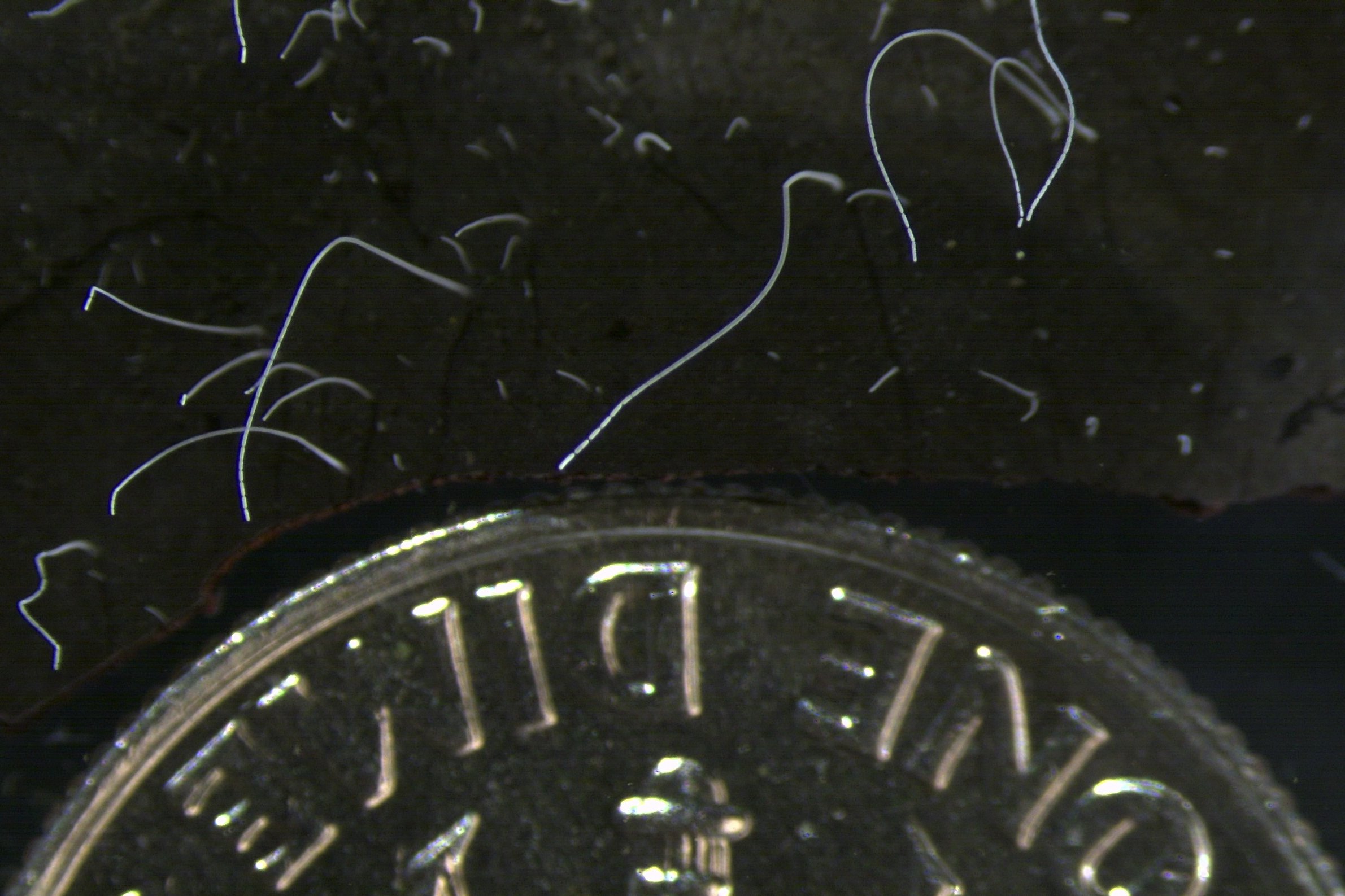
This microscope photo provided by the Lawrence Berkeley National Laboratory shows thin strands of Thiomargarita magnifica bacteria cells next to a U.S. dime coin, California, U.S., June 21, 2022. (AP Photo)
by Associated Press Jun 24, 2022 10:12 am

A Caribbean mangrove swamp unveiled the world's largest bacterium – so big that it can be seen with the naked eye.

The thin white filament, approximately the size of a human eyelash, is "by far the largest bacterium known to date,” said Jean-Marie Volland, a marine biologist at the Lawrence Berkeley National Laboratory and co-author of a paper announcing the discovery Thursday in the journal Science.

Olivier Gros, a co-author and biologist at the University of the French West Indies and Guiana, found the first example of this bacterium – named Thiomargarita magnifica, or "magnificent sulfur pearl” – clinging to sunken mangrove leaves in the archipelago of Guadeloupe in 2009.

But he didn’t immediately know it was a bacterium because of its surprisingly large size – these bacteria, on average, reach a length of a third of an inch (0.9 centimeters). Only later did genetic analysis reveal the organism to be a single bacterial cell.

"It's an amazing discovery,” said Petra Levin, a microbiologist at Washington University in St Louis, who was not involved in the study. "It opens up the question of how many of these giant bacteria are out there – and reminds us we should never, ever underestimate bacteria.”
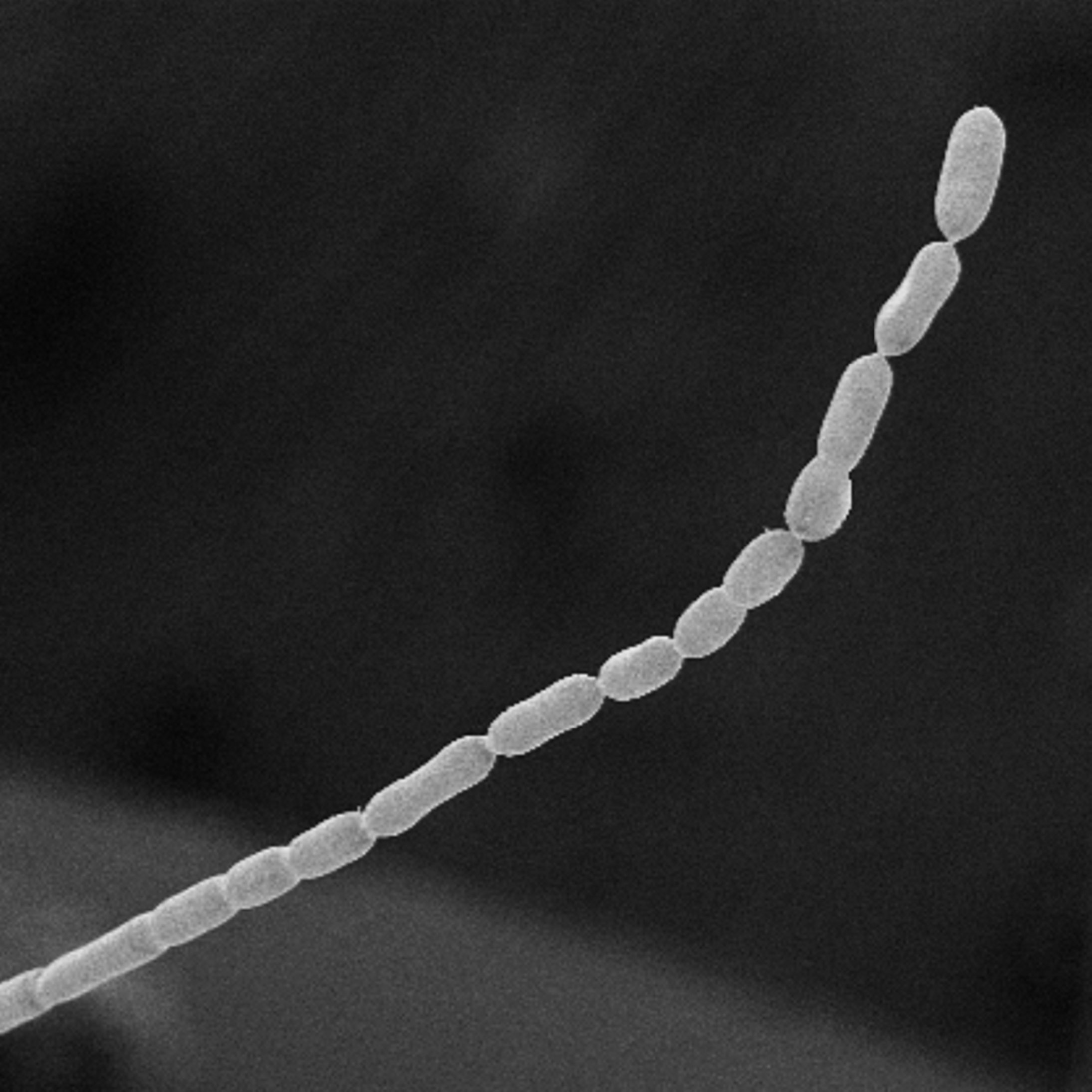
This microscope photo provided by the Lawrence Berkeley National Laboratory shows thin strands of Thiomargarita magnifica bacteria cells next to a U.S. dime coin, California, U.S., June 21, 2022. (AP Photo)

Gros also found the bacterium attached to oyster shells, rocks and glass bottles in the swamp.

Scientists have not yet been able to grow it in a lab culture, but the researchers say the cell has a structure that is unusual for bacteria. One key difference: It has a large central compartment, or vacuole, that allows some cell functions to happen in that controlled environment instead of throughout the cell.

"The acquisition of this large central vacuole definitely helps a cell to bypass physical limitations ... on how big a cell can be,” said Manuel Campos, a biologist at the French National Center for Scientific Research, who was not involved in the study.

The researchers said they aren't certain why the bacterium is so large, but co-author Volland hypothesized it may be an adaptation to help it avoid being eaten by smaller organisms.


  • shortlink copied
  • KEYWORDS
    bacterium science caribbeans
    The Daily Sabah Newsletter
    Keep up to date with what’s happening in Turkey, it’s region and the world.
    You can unsubscribe at any time. By signing up you are agreeing to our Terms of Use and Privacy Policy. This site is protected by reCAPTCHA and the Google Privacy Policy and Terms of Service apply.
    No Image
    Masking manipulation: Israel, Western media's brutal '40 babies' alibi
    PHOTOGALLERY
    • POLITICS
    • Diplomacy
    • Legislation
    • War On Terror
    • EU Affairs
    • News Analysis
    • TÜRKİYE
    • Istanbul
    • Education
    • Investigations
    • Minorities
    • Diaspora
    • World
    • Mid-East
    • Europe
    • Americas
    • Asia Pacific
    • Africa
    • Syrian Crisis
    • İslamophobia
    • Business
    • Automotive
    • Economy
    • Energy
    • Finance
    • Tourism
    • Tech
    • Defense
    • Transportation
    • News Analysis
    • Lifestyle
    • Health
    • Environment
    • Travel
    • Food
    • Fashion
    • Science
    • Religion
    • History
    • Feature
    • Expat Corner
    • Arts
    • Cinema
    • Music
    • Events
    • Portrait
    • Performing Arts
    • Reviews
    • Sports
    • Football
    • Basketball
    • Motorsports
    • Tennis
    • Opinion
    • Columns
    • Op-Ed
    • Reader's Corner
    • Editorial
    • Photo gallery
    • DS TV
    • Jobs
    • privacy
    • about us
    • contact us
    • RSS
    © Turkuvaz Haberleşme ve Yayıncılık 2021