Daily Sabah logo

Politics
Diplomacy Legislation War On Terror EU Affairs Elections News Analysis
TÜRKİYE
Istanbul Education Investigations Minorities Expat Corner Diaspora
World
Mid-East Europe Americas Asia Pacific Africa Syrian Crisis Islamophobia
Business
Automotive Economy Energy Finance Tourism Tech Defense Transportation News Analysis
Lifestyle
Health Environment Travel Food Fashion Science Religion History Feature Expat Corner
Arts
Cinema Music Events Portrait Reviews Performing Arts
Sports
Football Basketball Motorsports Tennis
Opinion
Columns Op-Ed Reader's Corner Editorial
PHOTO GALLERY
JOBS ABOUT US RSS PRIVACY CONTACT US
© Turkuvaz Haberleşme ve Yayıncılık 2025

Daily Sabah - Latest & Breaking News from Turkey | Istanbul

  • Politics
    • Diplomacy
    • Legislation
    • War On Terror
    • EU Affairs
    • Elections
    • News Analysis
  • TÜRKİYE
    • Istanbul
    • Education
    • Investigations
    • Minorities
    • Expat Corner
    • Diaspora
  • World
    • Mid-East
    • Europe
    • Americas
    • Asia Pacific
    • Africa
    • Syrian Crisis
    • Islamophobia
  • Business
    • Automotive
    • Economy
    • Energy
    • Finance
    • Tourism
    • Tech
    • Defense
    • Transportation
    • News Analysis
  • Lifestyle
    • Health
    • Environment
    • Travel
    • Food
    • Fashion
    • Science
    • Religion
    • History
    • Feature
    • Expat Corner
  • Arts
    • Cinema
    • Music
    • Events
    • Portrait
    • Reviews
    • Performing Arts
  • Sports
    • Football
    • Basketball
    • Motorsports
    • Tennis
  • Gallery
  • Opinion
    • Columns
    • Op-Ed
    • Reader's Corner
    • Editorial
  • TV

Climate-regulating Atlantic current slows to 1,000-year low, studies find

by Daily Sabah

ISTANBUL Apr 16, 2018 - 12:00 am GMT+3
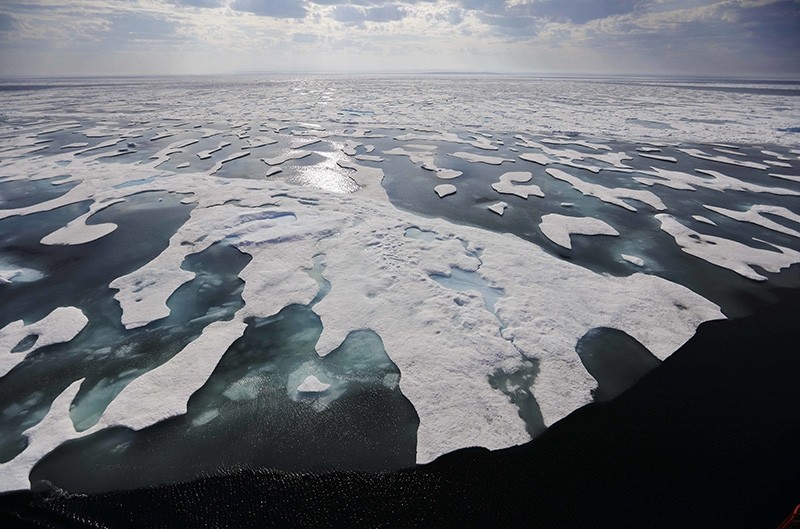
Sea ice melts on the Franklin Strait along the Northwest Passage in the Canadian Arctic Archipelago on July 22, 2017. (AP Photo)
by Daily Sabah Apr 16, 2018 12:00 am

An Atlantic Ocean current responsible for regulating the global climate has slowed to a 1,000-year low, two new studies show.

Often called the conveyor belt of the ocean, the Atlantic Meridional overturning circulation (AMOC) exchanges cold water in the Arctic with warm water from the equator, playing a key role in distributing heat across the globe.

Although scientists debate the cause of the AMOC's slowdown, they are fairly certain it will have a noticeable impact on the climate, according to the studies published in the journal Nature.

"The last 100 years has been its lowest point for the last few thousand years," University of Reading researcher Jon Robson told The Washington Post.

The two studies took different approaches but came to the same conclusion. Thornally's team collected and analyzed ocean sediment to determine changes in the current. The second study examined ocean temperature patterns, observing the unusual phenomenon of pockets of record cold and record heat occurring right next to each other.

As the Greenland ice sheet melts, freshwater, which is lighter than saltwater, floats on the ocean surface, disrupting the ocean's circulation, the scientists explained.

The current could eventually shut down altogether like it did during the last ice age, though it's very unlikely, University College London geologist David Thornalley told Here & Now's Lisa Mullins.

"What we don't really know is: Are we close to one of those tipping points where runaway processes could suddenly allow the mark to weaken much quicker than it has been doing?" Thornally said.

The current slowdown could dramatically affect ocean ecosystems, including coral reefs, as the currents supply food and disperse the offspring of ocean fauna.

Thornalley said the main approach scientists see to prevent the system's shutdown is to reduce greenhouse gas emissions.

"The only thing we really can do is obviously try and prevent global warming because that's the root cause of why we think it's weakening now with increasing temperatures," he said.


  • shortlink copied
  • Last Update: Apr 16, 2018 6:30 pm
    KEYWORDS
    life
    The Daily Sabah Newsletter
    Keep up to date with what’s happening in Turkey, it’s region and the world.
    You can unsubscribe at any time. By signing up you are agreeing to our Terms of Use and Privacy Policy. This site is protected by reCAPTCHA and the Google Privacy Policy and Terms of Service apply.
    No Image
    100 years of the republic: Portraits of Ankara's old and new faces
    PHOTOGALLERY
    • POLITICS
    • Diplomacy
    • Legislation
    • War On Terror
    • EU Affairs
    • News Analysis
    • TÜRKİYE
    • Istanbul
    • Education
    • Investigations
    • Minorities
    • Diaspora
    • World
    • Mid-East
    • Europe
    • Americas
    • Asia Pacific
    • Africa
    • Syrian Crisis
    • İslamophobia
    • Business
    • Automotive
    • Economy
    • Energy
    • Finance
    • Tourism
    • Tech
    • Defense
    • Transportation
    • News Analysis
    • Lifestyle
    • Health
    • Environment
    • Travel
    • Food
    • Fashion
    • Science
    • Religion
    • History
    • Feature
    • Expat Corner
    • Arts
    • Cinema
    • Music
    • Events
    • Portrait
    • Performing Arts
    • Reviews
    • Sports
    • Football
    • Basketball
    • Motorsports
    • Tennis
    • Opinion
    • Columns
    • Op-Ed
    • Reader's Corner
    • Editorial
    • Photo gallery
    • DS TV
    • Jobs
    • privacy
    • about us
    • contact us
    • RSS
    © Turkuvaz Haberleşme ve Yayıncılık 2021