Daily Sabah logo

Politics
Diplomacy Legislation War On Terror EU Affairs Elections News Analysis
TÜRKİYE
Istanbul Education Investigations Minorities Expat Corner Diaspora
World
Mid-East Europe Americas Asia Pacific Africa Syrian Crisis Islamophobia
Business
Automotive Economy Energy Finance Tourism Tech Defense Transportation News Analysis
Lifestyle
Health Environment Travel Food Fashion Science Religion History Feature Expat Corner
Arts
Cinema Music Events Portrait Reviews Performing Arts
Sports
Football Basketball Motorsports Tennis
Opinion
Columns Op-Ed Reader's Corner Editorial
PHOTO GALLERY
JOBS ABOUT US RSS PRIVACY CONTACT US
© Turkuvaz Haberleşme ve Yayıncılık 2026

Daily Sabah - Latest & Breaking News from Turkey | Istanbul

  • Politics
    • Diplomacy
    • Legislation
    • War On Terror
    • EU Affairs
    • Elections
    • News Analysis
  • TÜRKİYE
    • Istanbul
    • Education
    • Investigations
    • Minorities
    • Expat Corner
    • Diaspora
  • World
    • Mid-East
    • Europe
    • Americas
    • Asia Pacific
    • Africa
    • Syrian Crisis
    • Islamophobia
  • Business
    • Automotive
    • Economy
    • Energy
    • Finance
    • Tourism
    • Tech
    • Defense
    • Transportation
    • News Analysis
  • Lifestyle
    • Health
    • Environment
    • Travel
    • Food
    • Fashion
    • Science
    • Religion
    • History
    • Feature
    • Expat Corner
  • Arts
    • Cinema
    • Music
    • Events
    • Portrait
    • Reviews
    • Performing Arts
  • Sports
    • Football
    • Basketball
    • Motorsports
    • Tennis
  • Gallery
  • Opinion
    • Columns
    • Op-Ed
    • Reader's Corner
    • Editorial
  • TV
  • Arts
  • Cinema
  • Music
  • Events
  • Portrait
  • Reviews
  • Performing Arts

Berlin exhibition questions 'What if Hitler was assassinated?'

by Deutsche Presse-Agentur - dpa

BERLIN Dec 11, 2022 - 12:12 pm GMT+3
Edited By Buse Keskin
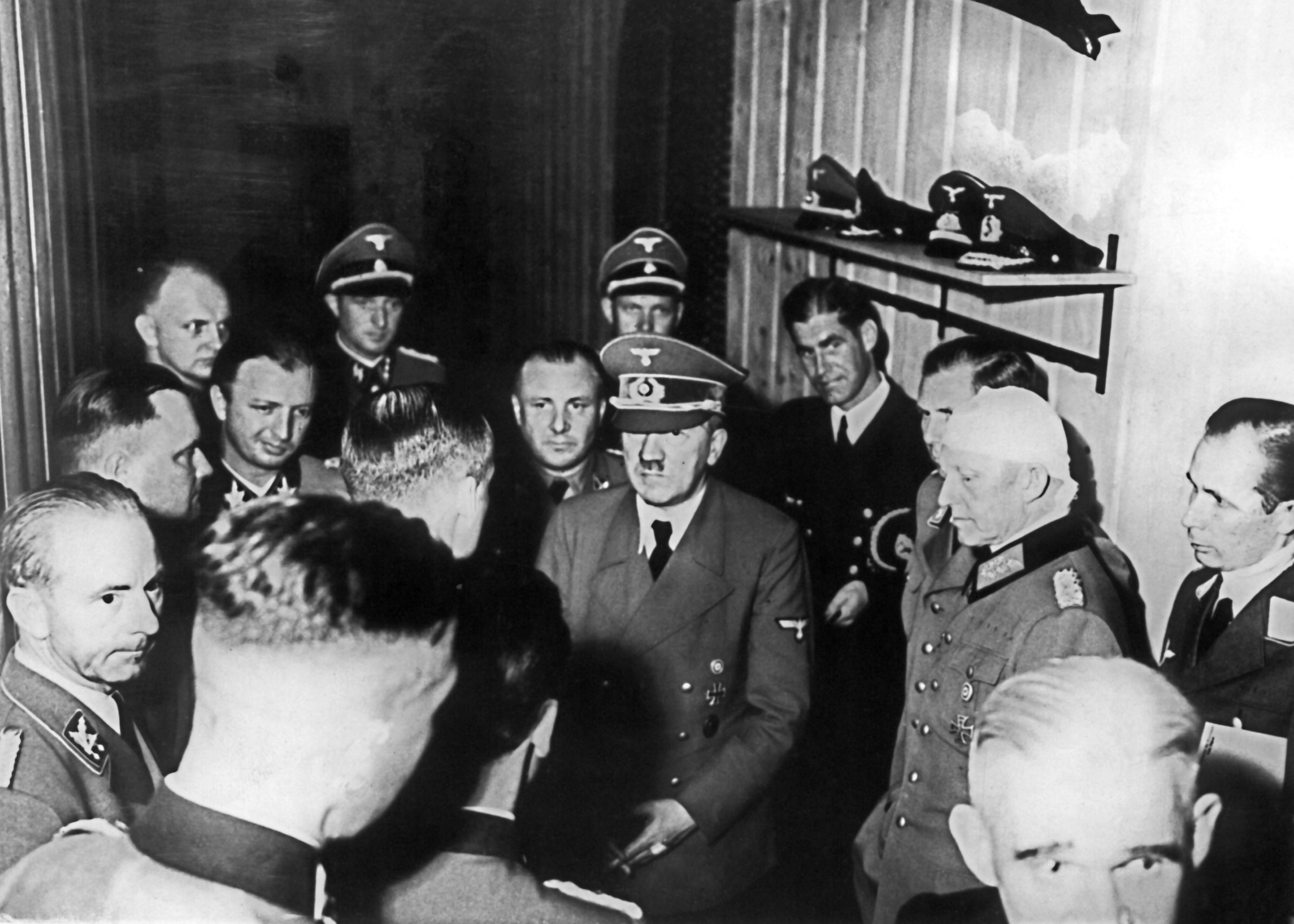
The failed assassination attempt on Adolf Hitler in July 1944 is among the key historical moments looked at in a new exhibition on the "Roads not Taken" in Germany's past. (dpa Photo)
by Deutsche Presse-Agentur - dpa Dec 11, 2022 12:12 pm
Edited By Buse Keskin

Historians don’t dwell for long on what might have happened if things didn’t happen as they did. But one major exhibition in Germany is exploring precisely that.

What if the Allies hadn’t been able to cross that bridge at Remagen in 1945? Key events in German history appear in a new light as curators explain just how close they came to turning out a different way.

Using various examples of historical turning points, the exhibition, opening Dec. 9 in the Deutsches Historisches Museum, looks at several moments in German history that could have formed a different country had the circumstances been slightly different.

"We show the moments that you reflect on when you look back and wonder: were they decision, actions, coincidences that shaped what happened?” museum president Raphael Gross said in Berlin ahead of the exhibition’s opening.
Visitors to the
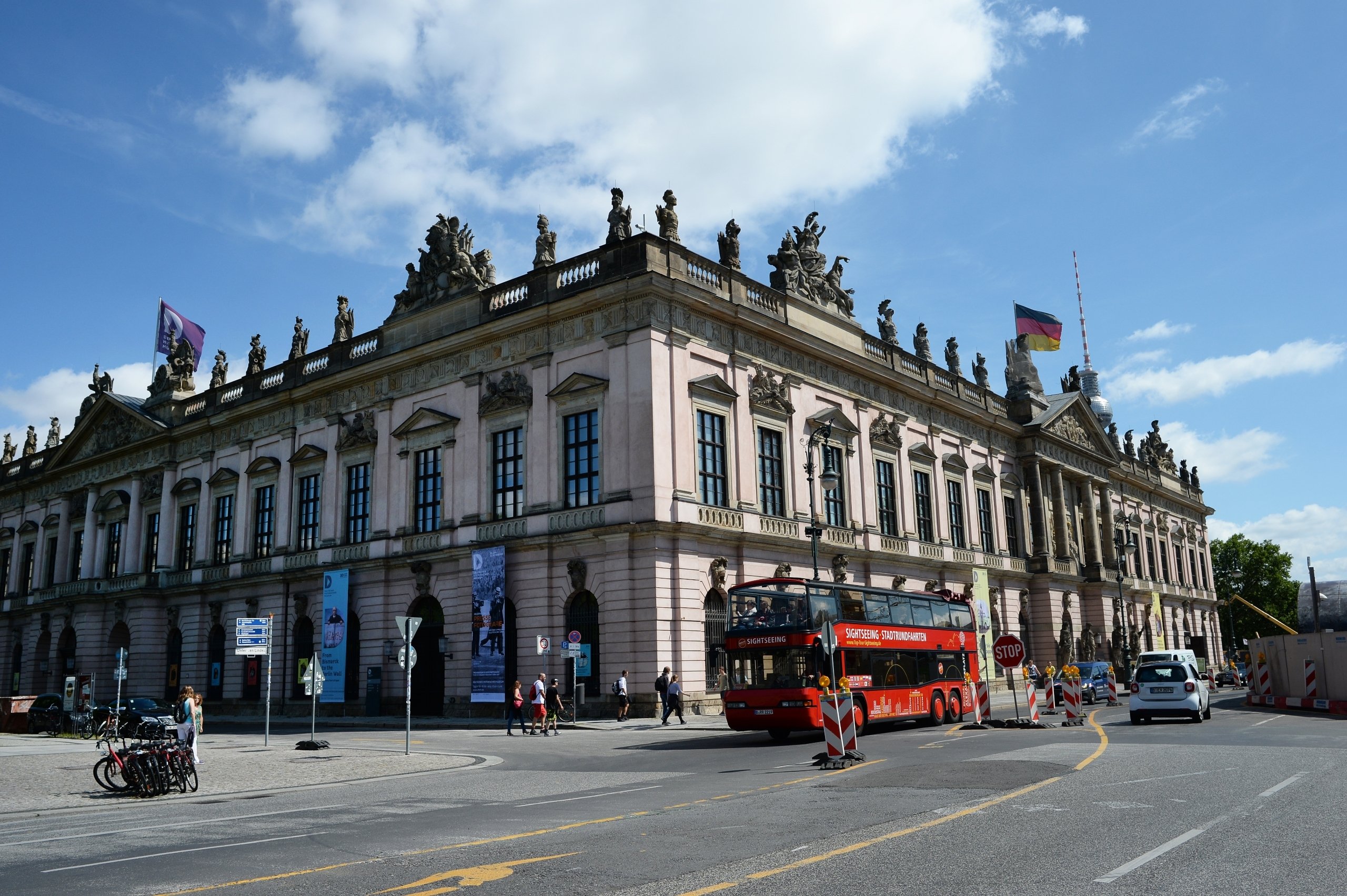
Visitors to the "Roads not Taken" exhibition by central Museumsinsel (island of museums) learn about 14 key points in German history by learning how they could have been different, Berlin, Germany, July 17, 2017. (dpa Photo)

In the process, visitors to the “Roads not Taken” exhibition by Berlin’s central Museumsinsel (island of museums) get to learn about 14 key points in history, from the March Revolution of 1848 to the fall of the Wall in 1989.

"For us, it is not a matter of telling a different story or presenting a fictional version of history,” German-Israeli historian Dan Diner says.

"Instead, by means of a perspective on courses of history that were then inherently possible, we are able to take a sharper look at what really happened. In short, the perception of potential possibilities allows us to better understand the reality of the past.”

Parts of the exhibition explore history using digital forms of storytelling, allowing visitors to relive protests in Eastern Germany in 1989 from the perspectives of seven different people.

At the exhibition’s “game station,” very different perspectives and options for action emerge when you see the day from the perspective of Egon Krenz, responsible for security issues in the German Democratic Republic's top leadership at the time.


  • shortlink copied
  • KEYWORDS
    hitler nazi germany arts exhibition
    The Daily Sabah Newsletter
    Keep up to date with what’s happening in Turkey, it’s region and the world.
    You can unsubscribe at any time. By signing up you are agreeing to our Terms of Use and Privacy Policy. This site is protected by reCAPTCHA and the Google Privacy Policy and Terms of Service apply.
    No Image
    Vietnam's largest fishing village bustles with trade, tradition
    PHOTOGALLERY
    • POLITICS
    • Diplomacy
    • Legislation
    • War On Terror
    • EU Affairs
    • News Analysis
    • TÜRKİYE
    • Istanbul
    • Education
    • Investigations
    • Minorities
    • Diaspora
    • World
    • Mid-East
    • Europe
    • Americas
    • Asia Pacific
    • Africa
    • Syrian Crisis
    • İslamophobia
    • Business
    • Automotive
    • Economy
    • Energy
    • Finance
    • Tourism
    • Tech
    • Defense
    • Transportation
    • News Analysis
    • Lifestyle
    • Health
    • Environment
    • Travel
    • Food
    • Fashion
    • Science
    • Religion
    • History
    • Feature
    • Expat Corner
    • Arts
    • Cinema
    • Music
    • Events
    • Portrait
    • Performing Arts
    • Reviews
    • Sports
    • Football
    • Basketball
    • Motorsports
    • Tennis
    • Opinion
    • Columns
    • Op-Ed
    • Reader's Corner
    • Editorial
    • Photo gallery
    • DS TV
    • Jobs
    • privacy
    • about us
    • contact us
    • RSS
    © Turkuvaz Haberleşme ve Yayıncılık 2021